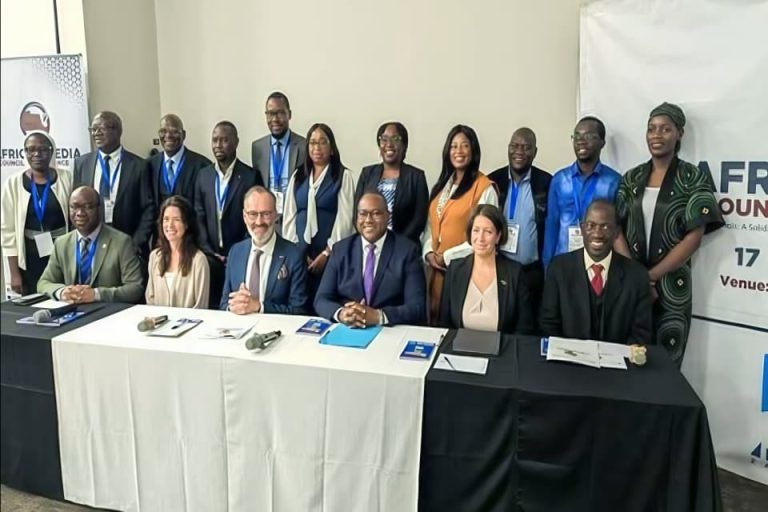
The African Media Councils Conference, which brings together Media Councils from across Africa to strengthen collaboration through a solidarity-based approach tackling regulatory pressures, financial sustainability, and digital transformation challenges, has committed to strengthening media self-regulation and institutional safeguards through promoting self-regulation as the standard for media accountability across Africa.
The 2026 edition of the Conference also pledged to advocating for enabling legal and policy environments that protect independence; strengthening governance systems, codes of conduct, and accountability mechanisms; and expand the mandate of media councils to address emerging information ecosystem challenges.
Hosted by the Media Self-Regulation Council of Zambia (MSCZ) in Lusaka, Zambia, from March 17 to 18, 2026, the event brought together media councils, self-regulatory bodies, journalists, civil society, and international partners from across the continent.
In a communique issued at the end of the Conference tagged the Lusaka Declaration on Media Self-Regulation, Accountability, Sustainability and Information Integrity in Africa, participants also committed to advancing information integrity and platform accountability; responding to artificial intelligence and digital transformation; strengthening sustainability and independence; building a pan-African and regional architecture for media councils; and enhancing public engagement and accessibility, among others.
The conference focused on the need for African-led approaches to artificial intelligence (AI) and digital governance. Participants stressed the importance of developing solutions that reflect African realities and values, especially as AI, digital platforms, and new technologies continue to shape media systems, information integrity, and public trust.
Over the two days, participants shared experiences and best practices, discussing how media councils can help promote ethical standards, ensure accountability, and protect editorial independence in a fast-changing digital environment. They also agreed on the need for stronger collaboration, improved regulatory frameworks, and continuous capacity building to support resilient and transparent media systems.
Practical steps were discussed, including training journalists on AI and digital tools, increasing public awareness of media accountability, and strengthening networks among media councils across Africa. There was a shared understanding that working together would help protect freedom of expression, address disinformation, and build public trust.
Participants also highlighted the importance of preparing for future technology changes , including developments in AI and digital platforms. They agreed that media councils must not only respond to current challenges but also plan ahead by strengthening their institutions and working closely across countries.
The conference emphasised inclusive participation, noting that journalists, civil society, academia, and technology experts all have important roles to play. Special attention was given to protecting women journalists and marginalised groups from online harassment and ensuring fair representation in media content.
Another key issue discussed was the need for sustainable and independent funding. Participants agreed that financial stability is essential for media councils to operate effectively without external influence. They explored options such as partnerships, shared resources, and diverse funding sources to support long-term work.
The role of research and knowledge sharing was also highlighted. By gathering data and sharing insights, media councils can better understand trends, make informed decisions, and respond to emerging challenges.
Public engagement was identified as a priority. Participants agreed that media councils need to be more visible and accessible, while promoting media literacy and transparency. Helping people understand how media systems work can strengthen trust and encourage responsible public participation.
At the end of the conference, participants expressed a shared sense of responsibility and optimism. They reaffirmed their commitment to working together and supporting one another to build a strong, ethical, and independent media ecosystem in Africa.