Nearly two years after a Federal High Court in Abuja ordered the Federal Government to investigate, prosecute and punish perpetrators of all attacks against journalists and other media practitioners, and take measures to prevent further attacks, the Attorney-General of the Federation is asking the Court of Appeal in Abuja to allow the Government to appeal against the judgment obtained against it by Media Rights Agenda (MRA). The Government is seeking an extension of time since the three months prescribed by Law for lodging appeals has lapsed.
In a motion on notice filed on December 23, 2025, by Mr. A.B. Mohammed, a counsel in the Federal Ministry of Justice, on behalf of the Attorney-General, the Government is seeking an order of the Court of Appeal extending time for it to appeal the judgment of the Federal High Court delivered by Justice Inyang Ekwo on February 16, 2024.
Section 24(2)(a) of the Court of Appeal Act, 2004 (as amended), stipulates that the period for the giving of notice of appeal or notice of application for leave to appeal in a civil matter is three months where the appeal is against a final decision of the court.
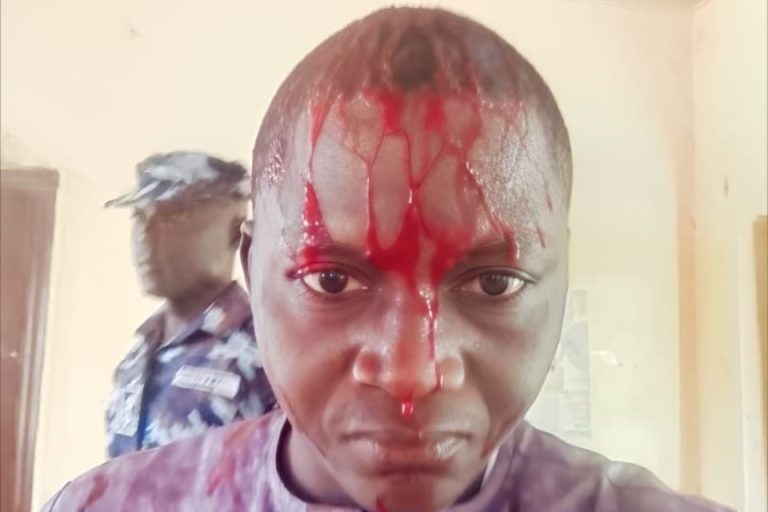
Justice Ekwo’s judgment arose from a suit filed on behalf of Media Rights Agenda (MRA) by human rights lawyer, Mrs. Mojirayo Ogunlana-Nkanga, on October 26, 2021, in which the organization complained about the violation of the fundamental rights to life and freedom of expression of Nigerian journalists and media practitioners who were murdered at various times over the last few decades in the line of duty or under circumstances relating to the discharge of their duties as journalists and the failure of the Federal Government to protect them, carry out effective investigation, prosecute and punish the perpetrators of the murders.
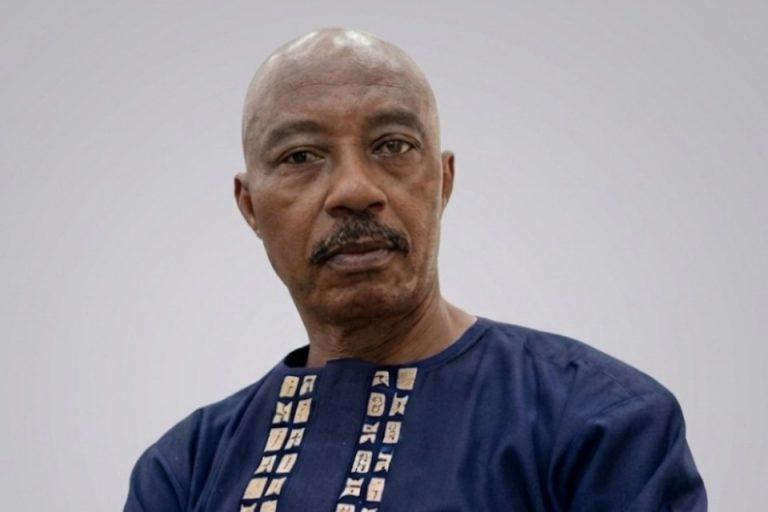
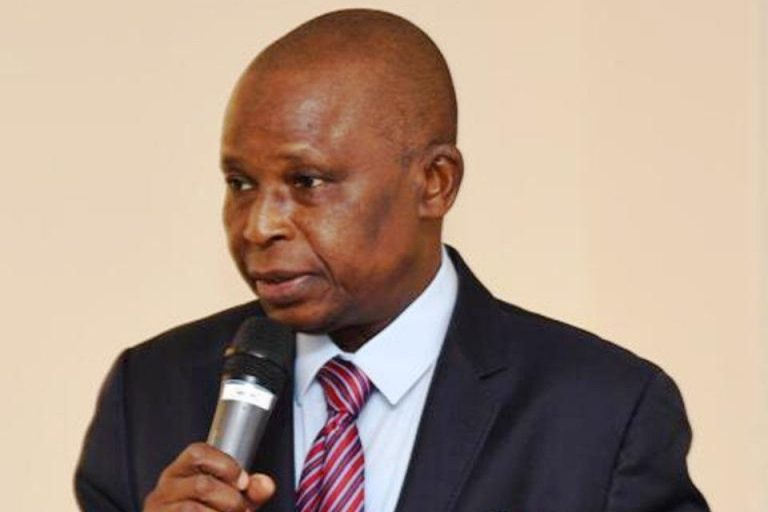
MRA named some of the murdered journalists as the late Editor-in-Chief of Newswatch magazine, Mr. Dele Giwa, who was killed on October 19, 1986 by a parcel bomb in his home in Lagos; Ms Bolade Fasasi, a member of the National Association of Women Journalists and former treasurer of the Nigeria Union of Journalists (NUJ), who was shot dead by three unidentified gunmen in Ibadan on March 31, 1998; Mr. Edward Olalekan Ayo-Ojo, who was found dead beside his car on a road in Lagos in the early hours of June 1, 1999; and Mr. Omololu Falobi, a former features editor of The Punch and founder of the media advocacy group, Journalists Against AIDS (JAIDS), who was gunned down in Lagos on October 5, 2006, on his way home from his office.
Other journalists identified by MRA are Mr. Godwin Agbroko, Chairman of the Editorial Board of This Day newspaper, who was murdered by unknown gunmen on December 22, 2006; Mr. Abayomi Ogundeji, a member of the Editorial Board of This Day newspaper, who was shot dead on August 17, 2008; and Mr. Edo Sule-Ugbagwu, Judicial Correspondent of The Nation newspaper, who was murdered in his home in Lagos by a gang of armed men on April 24, 2010.
In his February 2024 judgment, Justice Ekwo held that “journalism and media practice are constitutional professions in their respective rights” as it is the exercise of the rights provided for in Section 39(1) and (2) of the 1999 Constitution that gives foundation for journalism and media practice, and ruled that MRA had “established its case by credible evidence”.
The judge therefore issued eight declaratory reliefs sought by MRA and directed the Federal Government to take measures to prevent attacks on journalists and other media practitioners; investigate, prosecute and punish perpetrators of all attacks against journalists, and ensure that all victims of attacks against journalists have access to effective remedies. He ordered the government to take measures to raise awareness and build the capacities of various stakeholders, including law enforcement, security, intelligence, military and other officials on the laws and standards for ensuring the safety of journalists and media practitioners.
Stating the grounds upon which the application was made, the Federal Government said in its motion paper that it is “desirous to appeal” the judgment, but it did not explain why it has not lodged any appeal for over 22 months, except to say that it needs time to appeal.
In an affidavit in support of the motion, Mr. Kelechi Ohaeri, a litigation officer in the Department of Civil Appeals at the Federal Ministry of Justice in Abuja, said the application is necessary in the interest of justice and in furtherance of the Government’s constitutional right to appeal.
He explained that the Government had prepared a proposed Notice of Appeal, which sets out the grounds of appeal, and claimed that the grounds of appeal contained in the proposed notice are recondite.
In his written address, Mr. Mohammed said “upon a consideration of the judgment” delivered by Justice Ekwo, the Government has discovered errors and therefore wishes to exercise its constitutional right of appeal as guaranteed by Section 243 of the 1999 Constitution, as amended.
No date has been fixed for the hearing of the motion.
For more information, please contact:
Idowu Adewale (Mr.)
Communications Officer,
Media Rights Agenda
E-mail: idowu@mediarightsagenda.org