
The Freedom Online Coalition (FOC), a coalition of 41 countries working together to advance Internet freedom worldwide, launched its 2026 Programme of Action (PoA) at an online event held on February 4, under the chairship of Switzerland, which outlined the priority activities of the Coalition for the year, marking its 15th anniversary.
The launch event, which brought together FOC member governments, members of the Coalition’s multi-stakeholder Advisory Network (FOC-AN), and representatives from diplomatic missions in Geneva and New York, was aimed at introducing the priorities of the Swiss Chairship, outlining pathways for implementation, and exploring how member governments, the Advisory Network, and diplomatic networks can work together effectively for greater impact.
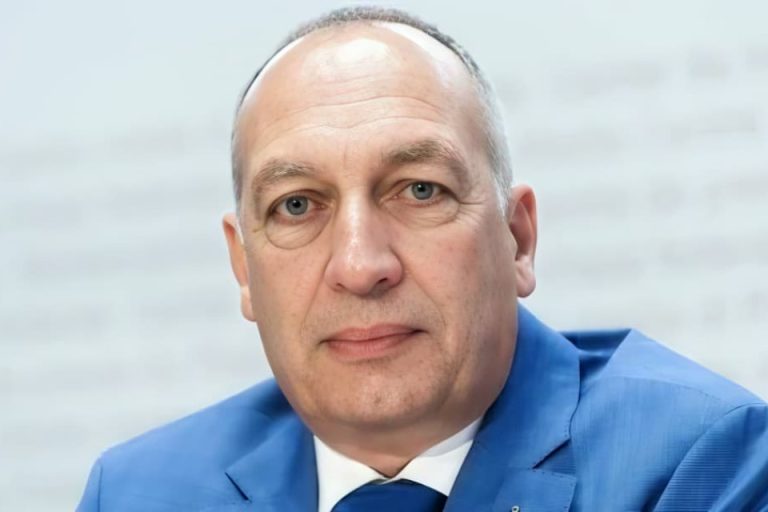
In his opening remarks, Mr Bernard Maissen, Secretary of State and Director of Switzerland’s Federal Office of Communications, situated the 2026 Programme of Action within a rapidly evolving global digital policy landscape.
He highlighted growing pressures on human rights online, including internet shutdowns, unlawful surveillance, threats to information integrity, and widening digital divides, stressing that “rights and freedoms online must now more than ever be a foundation of our digital landscape.”
Representing Switzerland in its Chairship of the FOC in 2026, he presented the three interconnected priorities guiding the Coalition’s work during the year as:
• Navigating and shaping global digital governance processes, with a focus on strengthening coordination and coherence across multilateral and multistakeholder forums, including follow-up to the WSIS+20 review, implementation of the Global Digital Compact, and engagement at the UN Global Dialogue on AI Governance. Particular emphasis will be placed on connecting work in Geneva and New York diplomatic circles to ensure consistent, visible, and effective FOC engagement.
• Addressing ongoing challenges to Internet freedom and digital resilience, building on the FOC’s existing body of work and outputs, including work on rights-respecting digital public infrastructure, artificial intelligence and human rights, and information integrity. Activities will include coordinated statements, peer learning, capacity building, regional dialogues, and targeted briefings. The launch noted the publication of the Coalition’s first joint statement of 2026, addressing internet shutdowns in Iran.
• Operationalising multistakeholder approaches to digital governance, guided by the São Paulo Multistakeholder Guidelines. The Swiss Chairship emphasised the need to move from principle to practice by strengthening meaningful participation, addressing barriers faced by under-represented stakeholders, and enhancing outreach to Global Majority governments and non-governmental actors.
Representatives of the FOC Advisory Network welcomed the Programme of Action and highlighted its relevance in a context of geopolitical uncertainty, shrinking civic space, and rapid technological change. They underscored the importance of grounding global digital governance processes in human rights, ensuring meaningful multistakeholder participation, and strengthening regional engagement.
The Advisory Network also emphasised the value of maintaining open, sustained communication with the Chairship and diplomatic networks, building on collaborative approaches developed under previous Chairships. Representatives welcomed the Swiss Chairship’s plans for the year ahead and encouraged regular updates and exchanges, including through the forthcoming Strategy and Coordination Meetings to support coherence and shared awareness across the Coalition.
The Advisory Network highlighted its role as a key resource for thematic expertise and knowledge regarding digital governance processes, particularly in relation to major policy forums such as the UN Human Rights Council and UN-led processes in New York.
The event also provided an overview of the FOC diplomatic networks in Geneva and New York, which will serve as key coordination spaces for implementing the Programme of Action. In Geneva, priorities will include engagement at the Human Rights Council and in digital governance and technical processes, while the New York network will focus on UN General Assembly–mandated processes, including follow-up to the Pact for the Future and the Global Digital Compact. Both networks will operate through living work plans and emphasise practical, member-driven coordination.
Several FOC members welcomed the Programme of Action and highlighted concrete contributions to its implementation, including work on information integrity, artificial intelligence, and access to reliable information online. Members also expressed interest in supporting thematic initiatives, joint statements, and peer learning, as well as contributing to FOC side events and coordinated engagement around key forums such as the Human Rights Council and the UN Global Dialogue on AI Governance, while strengthening links between international and national-level action.
In closing, the Swiss Chairship stressed that the 2026 Programme of Action is a shared and collaborative roadmap and called on all FOC members and stakeholders to actively contribute to its implementation.
The launch marked the start of a year which the Coalition said would be focused on coherence, inclusion, and tangible impact in advancing its mission to protect human rights online.