The International Federation of Journalists (IFJ), the largest federation of journalists’ trade unions in the world, representing over 600,000 media workers from 187 organisations in 146 countries, has released the list of 128 journalists and media workers, including 10 women, who were killed in 2025. The report shows that for the third consecutive year, the Middle East has been the region worst affected.
The report also says that since 1990 and the launch of IFJ’s annual Killed List, the it has recorded 3,173 deaths worldwide, an average of 91 deaths per year, and 876 in the last ten years. The Federation has also released the list of 533 journalists in jail, with China standing out as the world’s biggest jailer.
The IFJ deplored 2025 as another deadly year for journalists, while denouncing the persistent failure of authorities to protect media workers, and calling for immediate, decisive action to end the cycle of violence and impunity in 2026.
The Middle East and Arab World region accounted for 58% of all media professionals killed worldwide, with 74 journalists killed, including 56 in Palestine. Yemen ranked second with 13 deaths, then Ukraine with eight. Six journalists and media workers were reported dead in Sudan, and four in India and Peru, and three each in the Philippines, Mexico, and Pakistan. These figures emphasise the concentration of danger in conflict zones, underscoring the need to strengthen the protection of media professionals and to bring those who kill journalists to justice.
Also, five journalists were killed in the Asia-Pacific region, including two in Bangladesh, two in Afghanistan, and one in Nepal. A notable case was the brutal murder of Indian journalist, Mukesh Chandrakar, who was beaten to death on January 1 with an iron bar for his reporting and later found in a septic tank.
The IFJ recorded 10 killings in Europe: eight in Ukraine, one in Russia, and one in Turkey. This is the third time in the last ten years, according to IFJ, that Europe has recorded such a high number of journalists killed, first in 2015 with the Charlie Hebdo (satirical magazine) massacre in Paris, then in 2022 following the Russian invasion of Ukraine.
Nine media workers were reported killed in Africa in 2025, with Sudan, once again at the epicentre of journalist killings in the region, accounting for six of the deaths. Elsewhere, the IFJ also recorded one killing each in Mozambique, Somalia, Tanzania, and Zimbabwe.
Seven media professionals were also killed in a car accident in Nigeria on December 29, and one accidental death was also recorded in Burundi. The IFJ considers these killings as non-work-related.
The Americas recorded 11 killings, with Peru topping the list of countries where practising journalism can be fatal. It witnessed the murder of four journalists in 2025 alone. The IFJ considers the situation in Peru to be particularly worrying, as it has seen no fatal crimes against journalists for almost a decade. Mexico recorded three killings, while Colombia, Honduras, and Ecuador each recorded one killing.
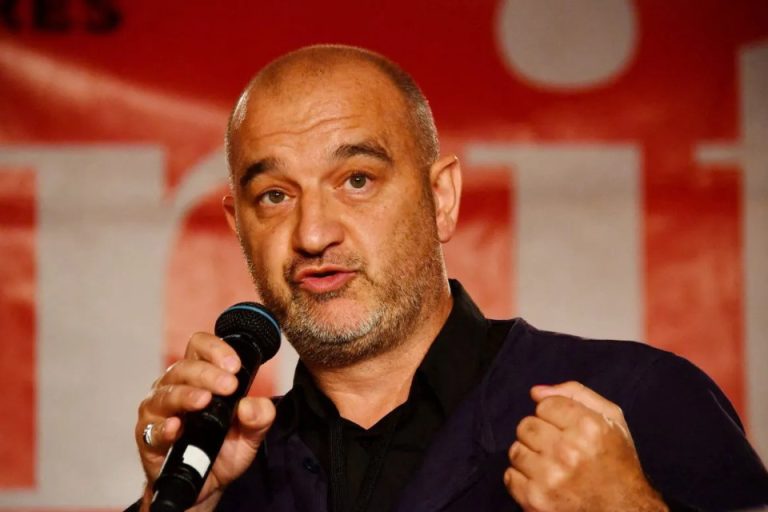
Commenting on these killings, Mr Anthony Bellanger, IFJ General Secretary, said: “128 journalists killed in a single year is not just a statistic, it is a global crisis. These deaths are a brutal reminder that journalists are being targeted with impunity, simply for doing their job. Governments must act now to protect media workers, bring killers to justice, and uphold press freedom. The world can no longer wait: it is time for a United Nations convention that guarantees the safety and independence of journalists everywhere.”
The report also says that since 1990 and the launch of IFJ’s annual Killed List, it has recorded 3,173 deaths worldwide, an average of 91 deaths per year, and 876 in the last ten years. The Federation also released the list of 533 journalists in jail, with China standing out as the world’s biggest jailer.
The IFJ described the year 2025 as another deadly year for journalists, while denouncing the persistent failure of authorities to protect media workers, and calling for immediate, decisive action to end the cycle of violence and impunity in 2026.