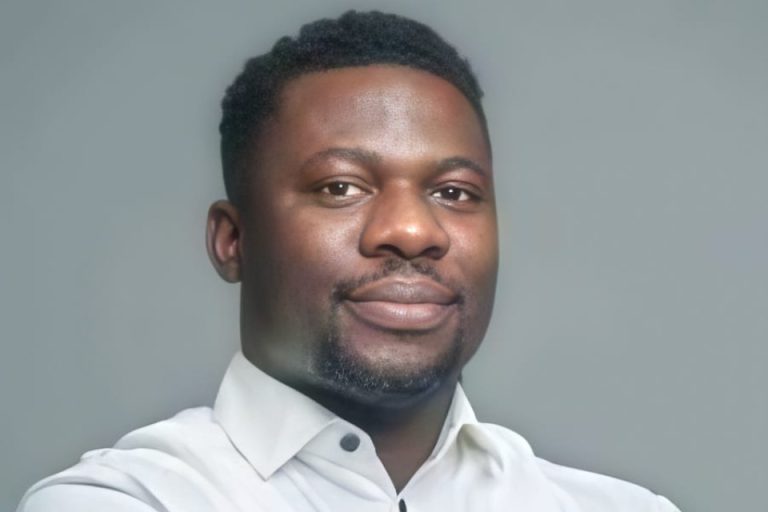
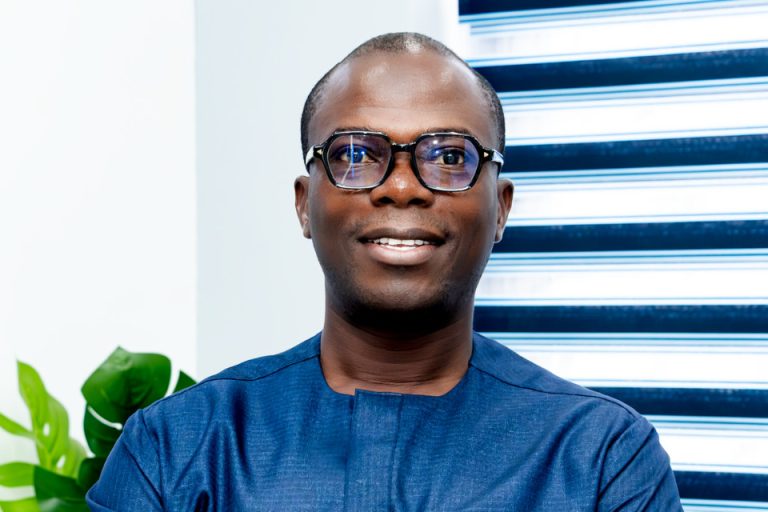
The Executive Director of Media Foundation for West Africa (MFWA), Mr Sulemana Braimah, has urged the Economic Community of West African States (ECOWAS) to lead a regional effort that will ensure that global technology companies fairly compensate local media organisations for the news content shared on their platforms.
Speaking at a virtual PhD seminar organised by the Department of Communication Studies at the University of Ghana on February 13, 2026, Mr Braimah said ECOWAS has a strong collective influence that has not been fully utilised. According to him, if the region works together, it can negotiate better deals with global technology companies and create a sustainable source of income for news organisations across West Africa.
Mr Braimah urged the ECOWAS Commission to develop a regional framework requiring major digital platforms such as X, Facebook, and TikTok to pay for news content being distributed or consumed through their services.
He explained that when countries act individually, they often lack the power to influence multinational technology firms and posited that if ECOWAS countries act together, they can negotiate from a stronger position.
He described the financial challenges facing media organisations in the region as one of the biggest threats to journalism. While acknowledging other pressures such as legal harassment through Strategic Lawsuits Against Public Participation (SLAPP), the misuse of cybercrime and national security laws, digital disruptions, and physical attacks on journalists, Mr Braimah said the economic survival of many newsrooms remains the most serious concern.
According to him, many media organisations are experiencing a steady decline in advertising revenue, while efforts to earn income from digital platforms remain weak. In several countries, government advertising and other forms of public support have also been reduced or stopped entirely. As a result, many newsrooms are shrinking, investigative journalism is declining, and editorial independence is increasingly at risk from political and commercial pressure.
Mr Braimah noted that the idea of requiring technology companies to share revenue with news publishers is already being tested in some countries. He gave example of the frameworks introduced in Canada and other jurisdictions that show that global digital platforms can be required to negotiate compensation agreements with media organisations.
In addition to platform payments, Mr Braimah also called for broader reforms to strengthen the media environment in West Africa. These include decriminalising defamation laws and removing vague “false news” provisions that are often used to target journalists.
He also urged governments in the region to stop misusing cybercrime and national security laws against journalists, ensure accountability for attacks on media workers, and avoid internet shutdowns and digital censorship.
He called for a stronger, independent regulation of the media and effective judicial oversight, as well as greater support to ensure the financial sustainability of media organisations and the expansion of regional mechanisms to monitor and protect journalists.
Mr Braimah warned that without strong reforms and new funding models, independent journalism in West Africa could continue to weaken. He stressed that the decline of independent media would also pose serious risks to democratic governance across the region.