
Lagos, Tuesday, March 31, 2026: Media Rights Agenda (MRA) today expressed concern over the poor allocation of funding for the implementation of the Freedom of Information (FOI) Act, 2011, in the 2026 Federal Government budget, with over 99 percent of public institutions having no dedicated funds to carry out their obligations under the Act. It accused the Government of institutionalizing a culture of secrecy in governance.
Following a detailed review of the allocations made to public institutions in the Federal Government’s budget, MRA noted in a report released today that only 13 ministries, departments and agencies, representing less than one percent of all Federal public institutions, made specific budgetary provisions for the implementation of the FOI Act or related activities.
According to the organization, although the Federal Government’s total budgeted expenditure for 2026 amounts to ₦58,472,628,944,759 (over ₦58.47 trillion), the total allocation for FOI implementation and related activities is ₦191.1 million across 13 public institutions, representing a mere 0.00033 percent of the national budget.
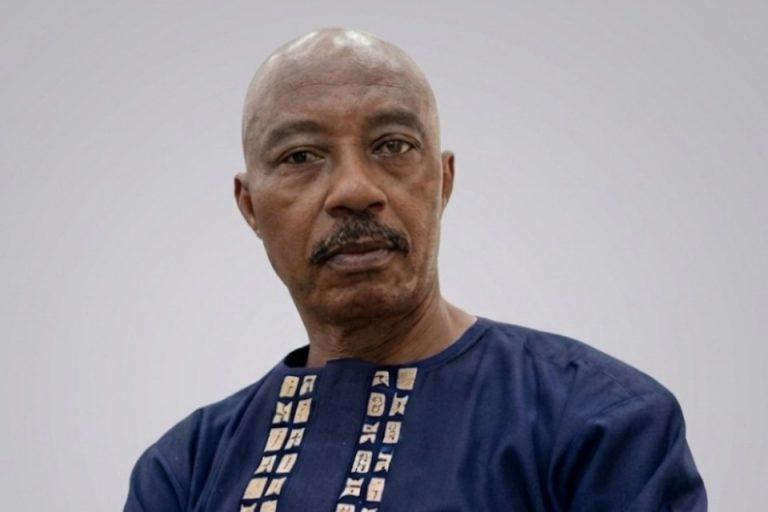
MRA’s Deputy Executive Director, Mr. Ayode Longe, said in a statement issued in Lagos: “The FOI Act imposes clear obligations on public institutions, including the proactive publication of information, proper maintenance of records, training of personnel, designation of FOI Desk Officers, submission of annual implementation reports to the Attorney-General of the Federation, and responding to requests for information from members of the public, among others. Effective compliance with these obligations requires dedicated financial resources. Without adequate funding, these responsibilities cannot be meaningfully discharged.”
He noted that in many instances in past years, the absence of budget lines for the implementation of the FOI Act and, therefore, financial resources, has led to poor record-keeping systems, lack of awareness even among public officials, delayed responses to information requests, and the general erosion of the public’s right to know, adding that these challenges have persisted over the years due largely to the failure of public institutions to prioritize FOI Act compliance in their planning and budgeting processes.
Arguing that the failure to allocate funding for the implementation of the FOI Act is not merely an administrative oversight but a calculated effort to starve public institutions of resources for enforcement and compliance with the Law and foist a “reign of opacity” on Nigerians, Mr. Longe criticized the persistent neglect, noting that it reflects a troubling lack of commitment by the Government to transparency, accountability, and the fundamental right of access to information guaranteed by the Act.
Titled “A Vote Against Transparency: A Report on Allocations for Freedom of Information Implementation in 2026 Federal Budget”, the report also contains “Guidelines for Public Institutions in Budgeting for Freedom of Information Implementation Activities” and an accompanying “Budget Template”, both developed by MRA, to guide and assist public institutions in budgeting for the implementation of the FOI Act or related activities.
The report indicates that only 13 out of over 1,300 public institutions made any mention of the FOI Act in their budget lines, meaning that over 99 percent of Federal ministries, departments and agencies have no plan and no funds to train FOI Desk officers, digitize their records, meet their proactive publications obligations, prepare and submit their statutory annual implementation reports to the Attorney-General of the Federation, or respond to requests for information, as required by law, among other obligations.
Mr. Longe said: “By failing to fund the FOI Act, the Federal Government is effectively emasculating the law and rendering it inoperative. You cannot run an open government or combat corruption while simultaneously starving the very mechanism that enables citizens to engage with government, see where money is going into and what the government is doing on their behalf.”
MRA expressed disappointment over the failure of the Office of the Attorney-General of the Federation to make any budgetary allocation to enable it fulfill its obligations as a public institution or its regulatory functions, being the primary oversight body mandated by Section 29 of the Act to monitor compliance and ensure that all public institutions comply with the provisions of the Act.
According to Mr. Longe, “The failure year after year of the Office of the Attorney-General of the Federation to lead by example is particularly galling as it signals to other public institutions that they can ignore the FOI Act with absolute impunity.”
MRA therefore called on the National Assembly to henceforth refuse to pass the budgets of public institutions, starting with the Federal Ministry of Justice, unless they have included specific line items for the implementation of the FOI Act.
It urged the Attorney-General of the Federation to liaise with the Office of the Head of the Civil Service of the Federation and the Budget Office of the Federation to issue a clear directive to all public institutions to include dedicated and adequate budget lines for FOI Act implementation in their annual budgets and that a minimum percentage of the overhead budget of every public institution should be dedicated to information management and FOI Act compliance.
The organization canvassed the establishment of a dedicated “FOI Act Oversight Fund” within the Federal Ministry of Justice to enable the AGF to fulfill the oversight functions of his office, including the statutory duties of collating annual reports and ensuring that all other public institutions to which the Act applies comply with its provisions.
Mr. Longe said MRA remained committed to working with relevant stakeholders to promote transparency, accountability, and the full realization of the right to information in Nigeria.
For further information, please contact:
Idowu Adewale (Mr.)
Communications Officer,
Media Rights Agenda
Tel: +2348065240610
E-mail: idowu@mediarightsagenda.org