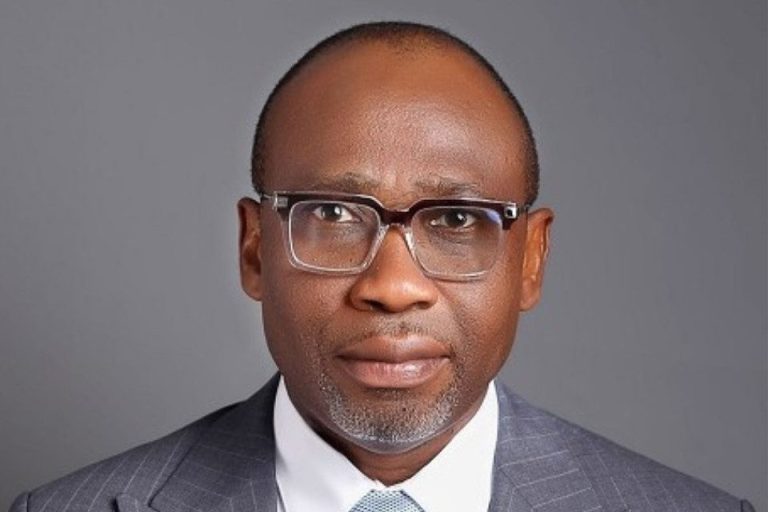
The National Broadcasting Commission (NBC) has launched a new nationwide free-to-air television platform, “FreeTV,” a move the Commission says could significantly reshape access to information and media pluralism, and set Nigeria’s broadcast landscape for a major transformation.
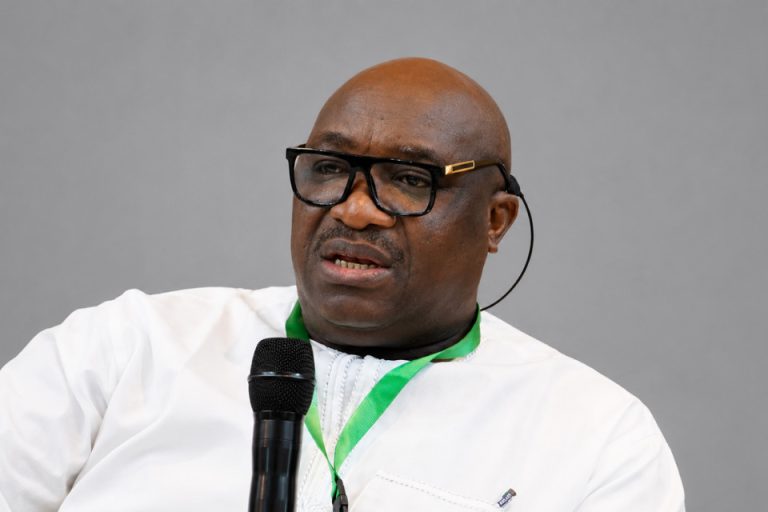
Announcing the launch in Abuja, NBC Director-General, Dr Charles Ebuebu, said the FreeTV platform is scheduled to go live on May 15, 2026, adding that it will offer more than 100 high-definition channels across news, education, entertainment, sports, and children’s programming. The platform, according to the DG, will be accessible nationwide without encryption or subscription fees.
The initiative, he said, is part of a broader effort to revive Nigeria’s long-delayed Digital Switch Over (DSO) programme, which the NBC admitted has consumed over N60 billion in public funds over 17 years with limited results, reaching only a handful of states and failing to generate reliable audience data or sustainable revenue streams.
Dr Ebuebu described the FreeTV project as a “rebuild”, not an upgrade of Nigeria’s digital broadcasting framework, saying that the platform will operate on a hybrid system combining satellite and internet delivery, ensuring nationwide coverage and accessibility on compatible digital television sets, as well as mobile devices.
Unlike earlier models that relied on encrypted signals and set-top boxes, he said, FreeTV will be fully open, removing barriers to access and potentially widening the reach of information, especially in underserved communities.
To encourage broadcaster participation, the DG said that NBC is offering an initial 18-month free carriage period, extendable under certain conditions, adding, however, that participating stations must meet a minimum of 60 percent local content and actively promote the platform.
The NBC said the unveiling of FreeTV is a response to systemic failures that plagued the earlier DSO rollout, including fragmented implementation, lack of audience metrics, and declining advertiser confidence.
The Commission also announced plans to establish six regional production hubs in cities across the country, including Lagos, Abuja, Port Harcourt, Enugu, Kano, and Benin, to boost local content production and create jobs within the creative industry.
Meanwhile, some industry stakeholders have expressed cautious optimism, noting that while the zero-cost carriage model could ease financial pressures on broadcasters, long-term sustainability will depend on transparent pricing structures after the initial free period and clear regulatory guidelines.
The NBC has set December 31, 2028, as the deadline for Nigeria’s full transition from analogue to digital broadcasting, aligning the FreeTV rollout with broader global trends toward digital terrestrial television.