Stakeholders have called on the Judiciary to provide expedited hearings and judgments in Freedom of Information (FOI) cases to ensure the timeliness and continued relevance of information that may ultimately be disclosed through litigation. According to them, this aligns with the intent of Sections 20 and 21 of the FOI Act, which emphasise swift resolution of FOI matters to prevent delays that could undermine public access to crucial information.
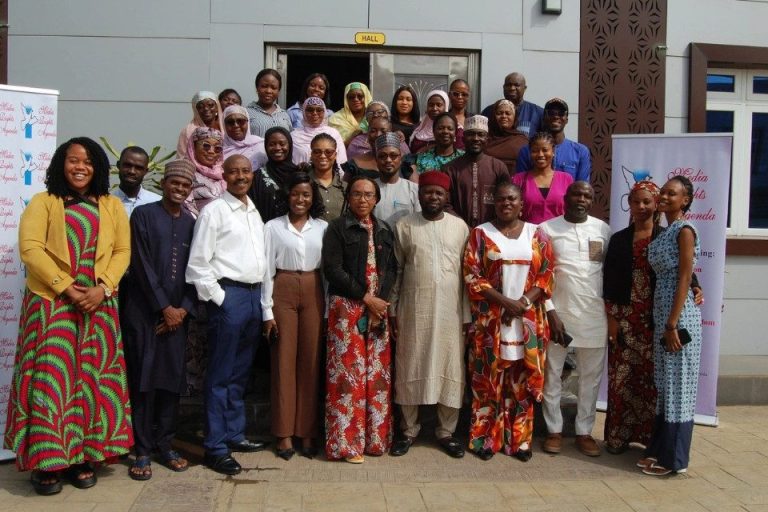
The call was made during the Media Rights Agenda (MRA) Freedom of Information (FOI) Training Workshop for Journalists and Representatives of Civil Society Organisations, held at Davina Hill Resort and Hotel, Abuja, on December 9 and 10, 2025. The workshop, supported by funding from Luminate, brought together 35 participants from media and civil society organisations across Abuja and the North-West, North-Central, and North-East geopolitical zones of Nigeria.
Over the course of two days, participants engaged in presentations, practical sessions, group discussions, and experience-sharing focused on the effective use of the FOI Act as a tool for investigative reporting, civic monitoring, and democratic governance. The sessions also examined the state of FOI implementation in Nigeria and explored the role of the media and civil society in advancing transparency, accountability, and citizens’ access to information.
Participants expressed concern that, despite the FOI Act being in place for more than a decade, compliance by public institutions across all levels of government remains largely poor. Many agencies either fail to respond to requests for information or deny them without a legitimate reason. Proactive publication of information by public institutions remains minimal.
They also observed that a lack of awareness about the provisions of the FOI Act among public officials continues to hinder its effective implementation. This is compounded by a pervasive culture of secrecy that discourages disclosure of even harmless information. The absence of effective sanctions for non-compliance has reinforced a culture of impunity, significantly weakening the enforcement of the law.
Participants highlighted that the Judiciary serves as the main mechanism for enforcing compliance with the FOI Act. However, the slow pace of judicial processes often diminishes the value of the information sought, especially for journalists and media practitioners who depend on timely access to data.
Despite these challenges, participants reaffirmed their commitment to promoting access to information as a fundamental right and a cornerstone of democracy. They resolved to make strategic and consistent use of the FOI Act in their professional and advocacy work to promote transparency, accountability, and public participation.
The workshop also emphasised the importance of public awareness campaigns to educate citizens about their right to information and how to make effective FOI requests. Participants stressed the need for collaboration across media and civil society to monitor public expenditure, track government projects, and expose corruption. Sharing knowledge and experiences was identified as critical to strengthening collective capacity and impact.
Additionally, participants underscored the importance of documenting and publicising cases of non-compliance with the FOI Act. They committed to pursuing legal remedies, including litigation where necessary, to ensure that the law is respected and enforced.
Participants called on federal and state governments to demonstrate genuine political will by ensuring full implementation of the FOI Act at all levels. Public institutions were urged to establish dedicated FOI desks staffed by trained personnel and to proactively publish official information in accordance with the law. The Attorney-General of the Federation was also called upon to exercise oversight by issuing directives and initiating legal action against officials or institutions that willfully violate the Act.
Importantly, participants reinforced their call for the Judiciary to expedite hearings and judgments in FOI cases, emphasising that timely judicial intervention is essential to maintaining the relevance and effectiveness of information obtained through litigation. They further highlighted the role of digital technology in enhancing access to information, urging public institutions and other stakeholders to adopt digital tools to simplify requests, track disclosures, and make information more accessible to the public.
The workshop concluded with participants commending MRA for its continued commitment to promoting freedom of information, digital rights, media freedom, and accountability in Nigeria. They expressed appreciation to facilitators and sponsors and reiterated their commitment to working collaboratively to advance the effective implementation of the FOI Act, ensuring that the public’s right to know remains a cornerstone of democracy and good governance.
Please read the full communique here https://mediarightsagenda.org/wp-content/uploads/2025/12/Two-Day-Freedom-of-Information-Training-Workshop-for-Journalists-and-Representatives-of-Civil-Society-Organizations-Communique.pdf.