The fifth edition of the Africa Facts Summit, a continental gathering of fact-checkers, journalists, researchers, technologists, policymakers, and civil society organisations, will take place on October 21 and 22, 2026, in Nairobi, Kenya, with discussions expected to focus on the growing threats posed by artificial intelligence (AI), disinformation networks, foreign influence operations, and declining public trust in media and public institutions.
The two-day summit is being organised by Africa Check, the continent’s oldest fact-checking organisation, against the backdrop of what organisers describe as a rapidly changing information environment in which AI, coordinated disinformation, digital fraud, scams, and geopolitical influence campaigns are reshaping how information is produced, distributed, and consumed across Africa.
Originally scheduled to take place in Johannesburg, South Africa, however, Africa Check announced in August that it had moved the event to Nairobi to facilitate wider participation from across the continent while the dates and planned programme remain unaffected.
The return to Nairobi has particular significance for the Summit as the Kenyan capital hosted the inaugural edition of the gathering in 2022, with subsequent editions held in Mauritius, Ghana, and Senegal before the summit returned to Kenya for its fifth edition.
According to Africa Check, previous editions of the summit have collectively attracted more than 800 participants from over 30 countries, reflecting the growth of fact-checking and information integrity work as a distinct field across the continent.
The summit is expected to provide a platform for participants from different regions and professional backgrounds to exchange experiences, develop collaborative responses to information disorder, and strengthen the capacity of organisations working to promote accurate and trustworthy information.
A major focus of the 2026 summit will be the impact of artificial intelligence on information integrity, as the rapid adoption of AI technologies is creating new opportunities as well as challenges for the information ecosystem, according to the organisers, with AI tools facilitating the production and distribution of false or misleading content at unprecedented speed and scale, while also creating new possibilities for detecting, analysing, and responding to misinformation and disinformation.
Other major themes on the summit agenda include disinformation networks and platform accountability, elections and democratic resilience, foreign influence operations, media literacy and public trust, as well as the long-term sustainability of the information integrity sector.
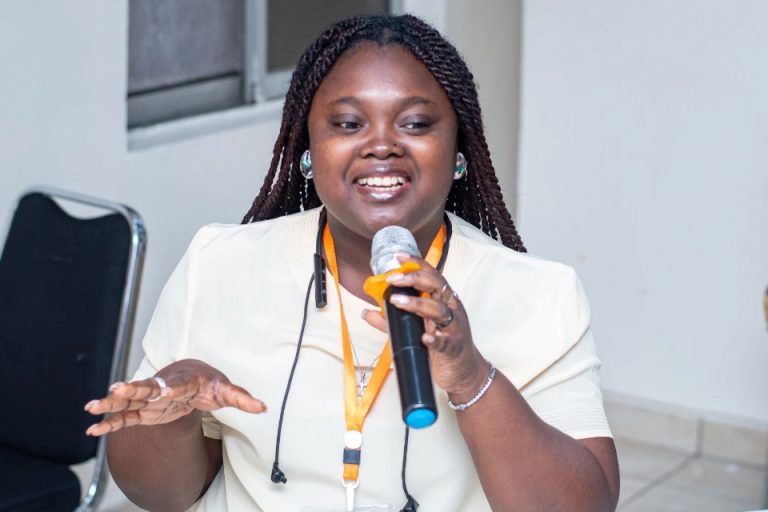
Africa Check’s Head of Outreach and Impact, Ms Hlalani Gumpo, said information challenges facing the continent increasingly cut across national borders, languages, digital platforms, and communities, making greater cooperation among organisations and professionals essential.
She noted that the summit would provide an opportunity for participants working in different contexts to learn from one another and strengthen collective responses to emerging information challenges.
The 2026 summit is also expected to highlight the continued growth of the Africa Facts Network, a continental community of fact-checking organisations operating in more than 30 African countries.
The Network currently has 58 member organisations, demonstrating the expansion of the fact-checking movement beyond a relatively small group of specialised organisations into a broader continental ecosystem involving journalists, researchers, civil society organisations, and technology actors.
A significant development associated with this year’s summit is the establishment of the Africa Facts Network Advisory Committee, which is intended to provide strategic guidance and strengthen collaboration among Network members as the fact-checking and information integrity sector becomes increasingly interconnected across African countries.
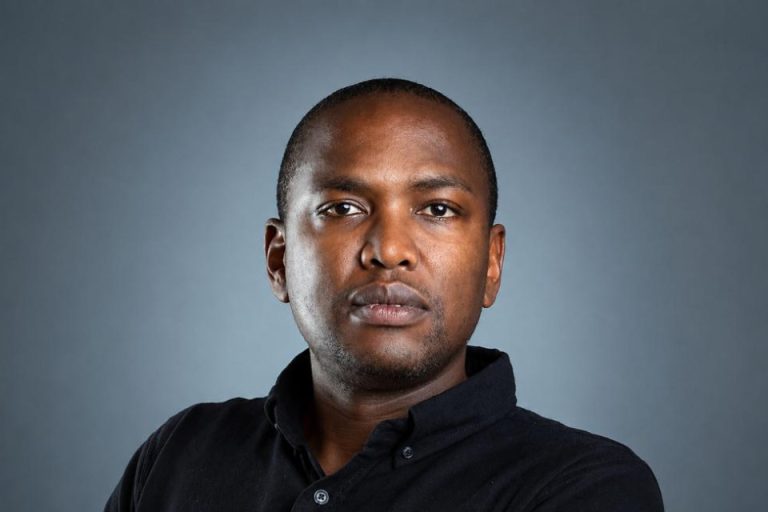
Mr. Eric Mugendi, Chair of the Africa Facts Network Advisory Committee, described trust as an increasingly valuable resource and called for a unified response to the growing threat posed by misinformation.
He said the summit would enable members of the Network to share lessons from different countries and strengthen efforts to ensure that factual information remains central to public discourse across Africa.
The Summit’s organisers are encouraging interested participants to register early, with tickets available until September 30, 2026.