The African Commission on Human and Peoples’ Rights (ACHPR) has called on the Nigerian Government to review and repeal provisions of cybercrime, defamation, and insult laws that are inconsistent with regional and international standards on freedom of expression and media freedom, and put an end to arbitrary arrests and intimidation of journalists, bloggers, and civic actors.
In its “Inter-Session Activity Report” covering the period between October 2025 and May 2026, presented at the 87th Ordinary Session of the Commission held in Banjul, The Gambia, and published on May 22, 2026, the Commission’s Working Group on Extractive Industries, Environment and Human Rights Violations noted that a “review of the human rights situation in Nigeria during the intersession period highlights a concerning trend characterised by protracted insecurity, violations that at times involve mass atrocities committed by both state and non-state actors, and significant threats to fundamental freedoms.”
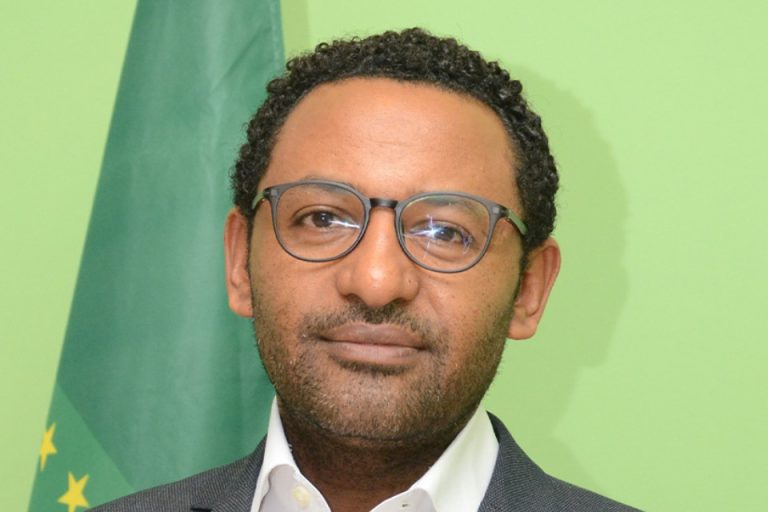
Presenting the report, the Group’s Chairperson, Dr. Solomon Ayele Dersso, said: “I remain deeply concerned about the worsening security situation in Nigeria, marked by persistent killings and the targeting of civilians. Recent incidents highlight a troubling pattern of violence by armed groups, bandits and armed militias, with communities in several regions facing mass killings, abductions, and indiscriminate attacks, including attacks on schools and the abduction of school children.”
He also expressed concern over “reports of civilians caught in military airstrikes, including deadly incidents at markets and populated areas, which underscore serious concerns regarding the protection of civilians and accountability in the planning and execution of security operations by the armed forces of Nigeria.”
Dr. Dersso, a current member and former Chairperson of the ACHPR, noted that the continued insecurity in Zamfara State, alongside widespread kidnappings across various parts of the country, further reflects the scale and complexity of the crisis situation in the country, with armed groups carrying out attacks that result in loss of life, displacement, and fear among already vulnerable communities, adding that “these trends call for urgent, coordinated, and rights-based responses to safeguard lives and restore security.”
He said he was also troubled by “the arrest of journalists for alleged violations of cybercrime laws, including defamation for exposing political crises in the country,” stressing that “Such acts not only threaten civic freedom but also endangers the right to be free from arbitrary deprivation of liberty and the right to due process of the law.”
Dr. Dersso called on the Government to urgently adopt a comprehensive and human rights-based national security strategy to address terrorism, banditry, kidnappings, and intercommunal violence while ensuring full compliance with international human rights and humanitarian law.
He urged the Government to strengthen civilian protection mechanisms in conflict-affected areas through early warning systems; improved intelligence coordination; community-based protection initiatives; and enhanced accountability within security operations; and conduct prompt, independent, transparent, and impartial investigations into attacks against civilians, including incidents involving military airstrikes on populated areas, while ensuring accountability and reparations for victims.
Dr. Dersso stressed the need for the prioritization of the protection of children from abductions and attacks by strengthening school protection initiatives, improving security in vulnerable communities, and enhancing support services for survivors.
He also urged the Government to address the root causes of insecurity, such as unemployment, poverty, corruption, marginalization, weak governance, and competition over natural resources; and ensure full respect for due process guarantees for journalists, bloggers, and civic actors.
On a general note, Dr. Dersso observed that “There is an increasing use of Strategic Lawsuits Against Public Participation (SLAPPs) and other forms of intimidation targeting climate and environmental journalists in Africa” adding that “Recent reports reveal a troubling pattern of harassment, threats, arbitrary arrests, and retaliatory legal actions aimed at silencing reporting on environmental degradation, climate change, and extractive industry abuses.”
Condemning such actions, he insisted that they undermine freedom of expression, press freedom, and the public’s right to access information, especially as “environmental journalism is essential for transparency, accountability, and sustainable environmental governance.”
He said: “The Working Group strongly condemns all attacks and reprisals against journalists and media practitioners and urges African Union (AU) Member States to adopt safeguards against SLAPPs, ensure accountability for violations, and protect journalists and environmental defenders from intimidation and harassment.”
Dr. Dersso called on business enterprises operating in the extractive sector to adopt and implement mandatory human rights due diligence frameworks aligned with the African Charter and international human rights standards, while all private actors should establish community-centred remediation mechanisms and invest in environmental rehabilitation, sustainable livelihoods, and long-term community development.
He urged the AU to accelerate the development of a binding regional treaty on business and human rights and normative guidance on climate change, extractive industries, and environmental governance.
Dr. Dersso also called on all AU Member States to:
• Recognize and protect environmental human rights defenders by preventing intimidation, reprisals, criminalization, and attacks; conducting prompt and impartial investigations into threats and killings; ensuring accountability for perpetrators; and creating safe civic space for advocacy, public participation, and environmental monitoring.
• Ensure that revenues generated from extractive industries are managed transparently and equitably through strengthened public financial management systems, parliamentary oversight, and anti-corruption safeguards, with a particular focus on ensuring socio-economic benefits for affected communities.
• Integrate climate change obligations into extractive governance frameworks by adopting measures that balance the right to development with pursuing decarbonization pathways; strengthening renewable energy transitions; and ensuring that the global demand for critical minerals does not result in new forms of exploitation, extractivism, environmental destruction, or violations of community rights.
• Adopt regional cooperation mechanisms on transboundary environmental harm, illicit financial flows, and responsible mineral supply chains to prevent regulatory gaps and strengthen collective accountability across the continent.