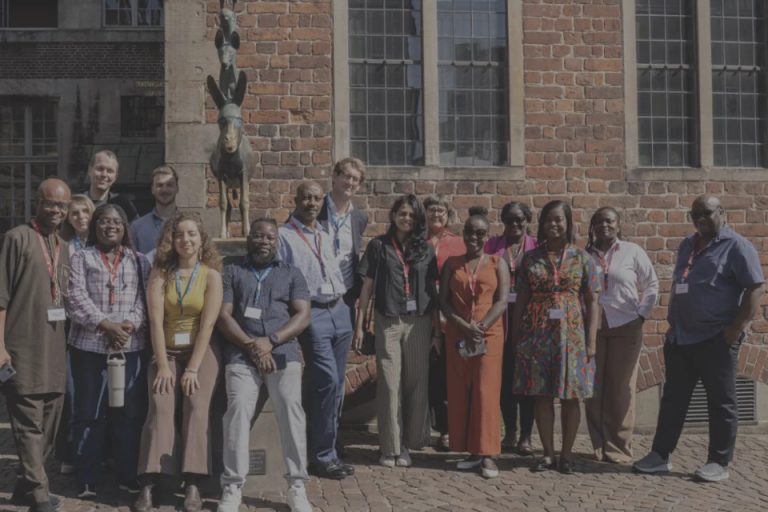
A four-person team from Media Rights Agenda (MRA) joined their counterparts from three partner organisations in the port city of Bremen in Germany in June to fine-tune implementation plans for their joint four-year research and advocacy project on AI Pan-Africanism, which is aimed at addressing the pressing challenge of how to ensure that African perspectives, priorities, and knowledge systems are meaningfully integrated into global and regional governance of artificial intelligence.
The two-day meeting, held on June 29 and 30, 2026, at the University of Bremen, brought together a multi-disciplinary project team of personnel from the university’s Centre for Media, Communication, and Information Research (ZeMKI), as well as the three civil society partners, namely MRA, the Media Foundation for West Africa (MFWA), and the Association for Progressive Communications (APC).
The project titled “Fostering Digital Pan-Africanism in AI Governance through Evidence and Action”, which runs from 2026 until 2030, is funded by the Volkswagen Foundation with a grant of 1,873,314 Euros under its “Change! Fellowships” funding initiative, which supports researchers from all disciplines, including the social sciences, economics, law, cultural studies, and technology, who are collaborating with practitioners and partners outside academia on societal change processes with the goal of actively shaping change.
In this round of funding for the “Change! Fellowships” initiative, the Volkswagen Foundation is providing a total of 14.4 million Euros for eight different inter-disciplinary projects.
The Digital Pan-Africanism in AI Governance project is aimed at strengthening African perspectives in AI governance, and is based on the premise that powerful actors such as the United States, the European Union (EU), and China dominate the development of AI, while African voices often have little influence on global AI regulations despite the fact that the continent is becoming increasingly digitally active.
Designed as a transdisciplinary collaboration linking scholars and civil society practitioners across the African continent and in Europe, the AI Pan-Africanism project is being implemented by the consortium of the University of Bremen’s centre known as ZeMKI, as well as MRA, MFWA, and APC.
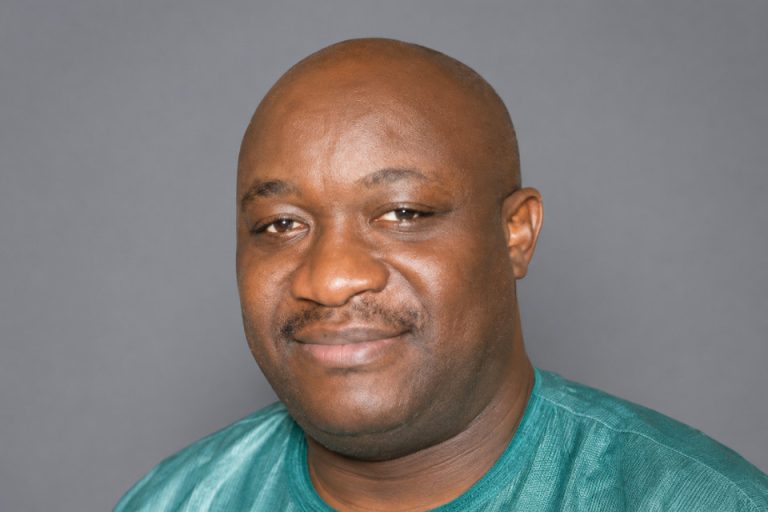
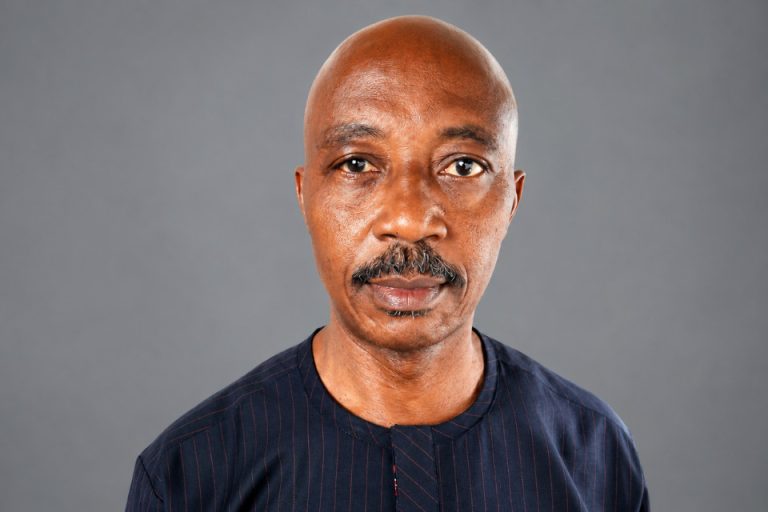
The MRA team at the meeting was led by its Executive Director, Mr. Edetaen Ojo; and included Deputy Executive Director, Mr. Ayode Longe; MRA’s Accountant and Finance Officer, Mr. Kingsley Aisagbonhi; and Programme Officer, Ms Ayomide Eweje.
Over the two-day meeting, teams from all the partner organisations deliberated on various aspects of the project after initial bonding exercises aimed at ensuring that every organisation in the project had as much information as possible about each partner organisation, its work in general, its other related projects, and its motivations for joining the consortium. There were also team-building exercises to foster team spirit among the project personnel.
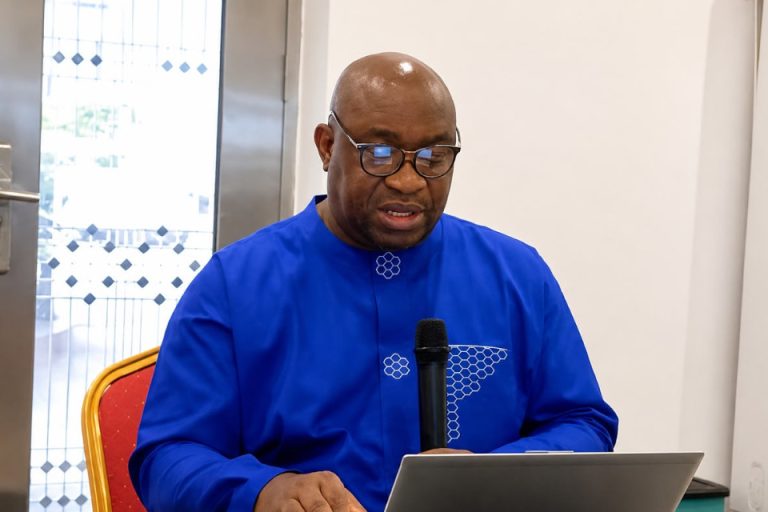
The meeting was addressed by Prof. Andreas Hepp, a Professor of Communication and Media Studies at the University of Bremen, where he is also the spokesperson and co-founder of ZeMKI; Ms Mandy Boehnke, the University’s Vice-President for International Affairs, Academic Qualification, and Diversity; and Ms Annabella Hüfler-Fick of the VolkswagenStiftung, the project’s funder.
Sessions then explored various concepts, particularly “artificial intelligence”, “AI governance”, and “Pan-Africanism”, to ensure that all project personnel had a common understanding of their meaning and the contexts in which they are used. It was observed that a common language across disciplines and organisational cultures is essential to the project’s success.
The meeting also examined each of the project’s six “work packages”, detailing planned activities under each of them, timelines, proposed deliverables, and the roles that each project partner would play in the implementation of the different components of the project, particularly the lead organisation for each of the work packages.
Discussions also addressed how the consortium plans to measure and achieve impact, including proposals for a tangible output document to anchor the project’s findings, as well as practical matters of project management, financing, equal opportunities funding, and communications strategy.