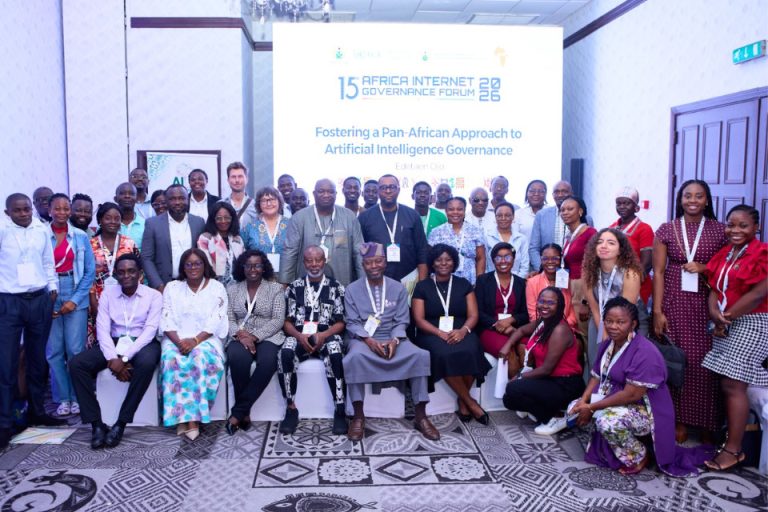
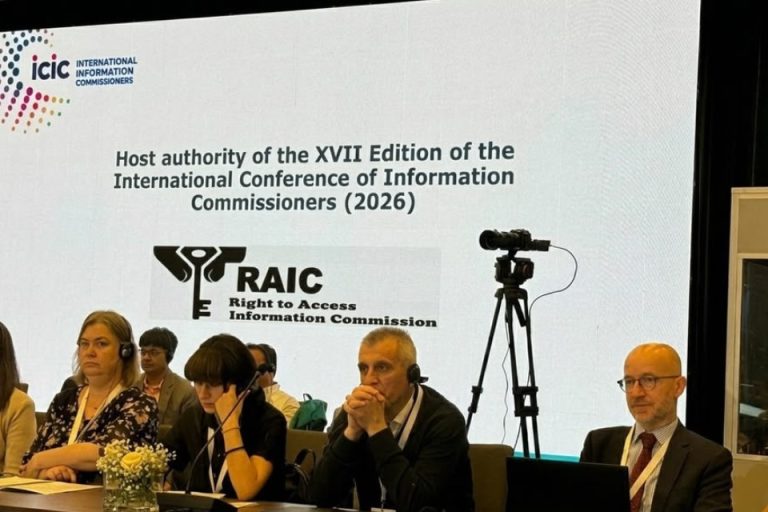
Representatives of civil society organisations (CSOs) from 16 countries have called on governments worldwide to strengthen legal frameworks for access to information, ensure the effective implementation of right to information laws, and protect civic space from growing restrictions and attacks on civil society actors.
The call was contained in a declaration adopted at the Parallel Civil Society Organisations Event held in Freetown, Sierra Leone, on September 30, 2026, alongside the International Conference of Information Commissioners (ICIC) and the International Day for Universal Access to Information (IDUAI) Conference.
In the declaration, participants reaffirmed that access to information held by public authorities is a fundamental human right that plays an important role in promoting democracy, fighting corruption, and building public trust in government.
They noted that when people have access to reliable information from public institutions, they are better able to hold government officials accountable, participate in public affairs, and make informed decisions on issues affecting their lives.
The groups also stressed that access to information is important in tackling misinformation and false claims, as it enables journalists, researchers, civil society organisations, and fact-checkers to obtain credible information from official sources.
They expressed concern that despite growing recognition of the importance of access to information, many countries have yet to adopt laws guaranteeing the right, while others continue to face challenges in implementing existing legislation.
According to the declaration, 54 United Nations Member States have yet to adopt right to information laws, while effective implementation remains a challenge in many of the 142 countries that have enacted such laws.
The participants therefore urged governments without access to information laws to take steps towards adopting them in line with international standards. They also called on countries with existing laws to review provisions that fall short of those standards and avoid amendments that could weaken the right to information.
They further called on governments to provide adequate funding and other resources for the implementation of access to information laws, including public awareness campaigns, training for government officials, and measures to make information accessible to everyone.
The civil society representatives expressed serious concern over increasing restrictions on civic space in many countries, including laws and practices that make it difficult for civil society organisations to operate freely.
They also condemned attacks on human rights defenders and the decline in funding available to organisations working to promote access to information and other fundamental rights.
They urged governments to respect freedom of association, remove unnecessary legal barriers affecting civil society organisations, and take effective measures to protect activists and organisations from threats, harassment, and other forms of intimidation.
The declaration also called for stronger legal protection against strategic lawsuits against public participation (SLAPPs), which can be used to discourage individuals and organisations from speaking out on matters of public interest.
The participants emphasised the need for independent and properly funded information commissions with the authority to investigate violations of access to information laws, hear appeals, and issue binding decisions requiring public institutions to release information where appropriate.
They also encouraged closer cooperation between information commissioners and civil society organisations in raising public awareness, training public officials, improving legislation, and ensuring that access to information laws are effectively implemented.
On the growing use of artificial intelligence (AI), the groups acknowledged its potential to improve access to information and make public institutions more efficient. However, they warned that the technology also presents risks that governments must address through appropriate safeguards.
They called on governments to ensure that AI systems used in public institutions are transparent, safe, accessible, and consistent with the right to information, while taking steps to prevent the technology from creating new barriers to public access to information.
The participants also urged the ICIC to make the parallel civil society gathering a permanent feature of its annual events and support the participation of civil society representatives in future conferences, including the next gathering scheduled for Ottawa, Canada, in 2027.
They called for regular communication between information commissioners and civil society organisations beyond annual conferences, as well as greater involvement of civil society representatives in planning conference activities and identifying emerging threats to access to information.
The declaration further urged governments, international organisations, and other stakeholders to increase efforts towards achieving Sustainable Development Goal Indicator 16.10.2, which focuses on the adoption and implementation of constitutional, statutory, or policy guarantees for public access to information.
The civil society representatives pledged to continue working together to promote stronger access to information laws, defend civic space, improve cooperation with oversight institutions, and address the opportunities and risks associated with the use of artificial intelligence.
They maintained that protecting the right to information and ensuring that civil society organisations can operate freely are essential to promoting transparency, strengthening public accountability, and enabling citizens to participate meaningfully in democratic governance.