Four leading international experts on freedom of expression have issued a joint declaration calling on governments and technology companies to do more to protect children’s rights online. The declaration stresses that children should be able to express themselves freely, access reliable information, and participate safely in the digital world without facing unnecessary restrictions or harmful content.
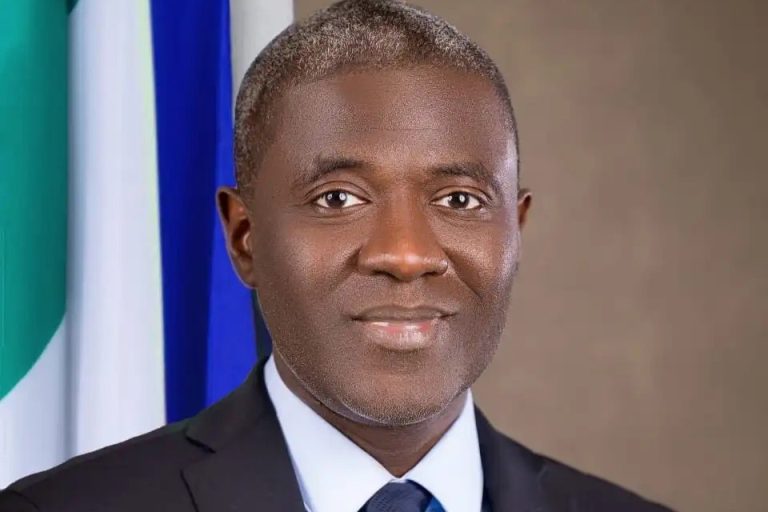
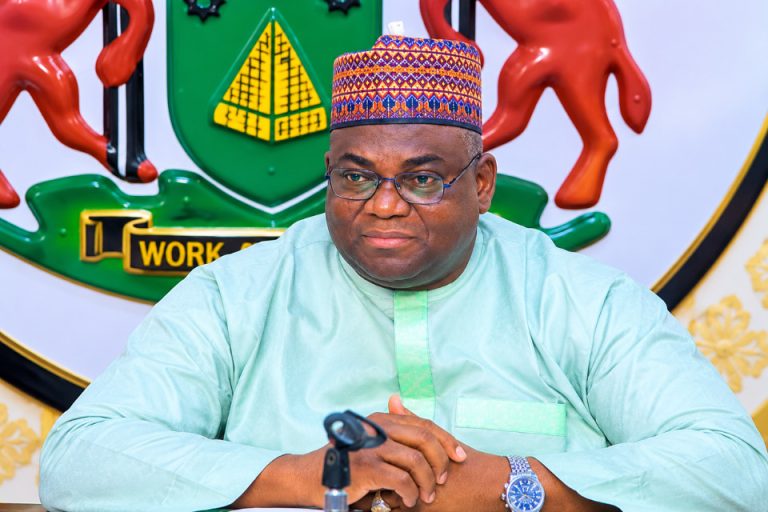
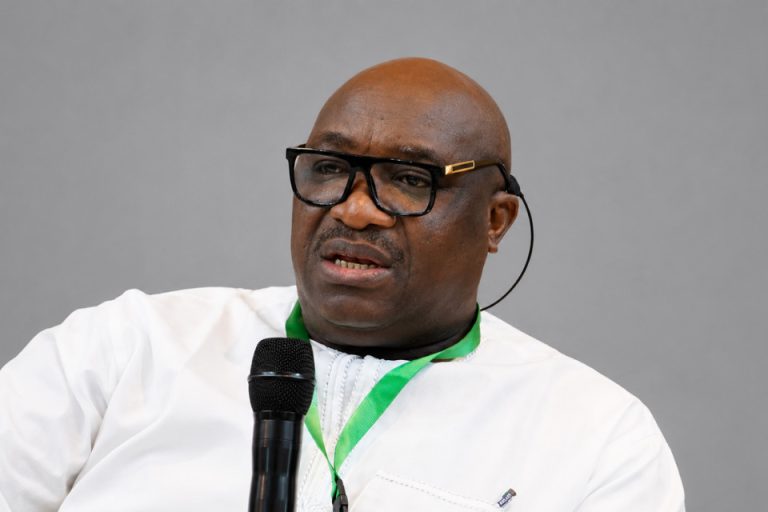
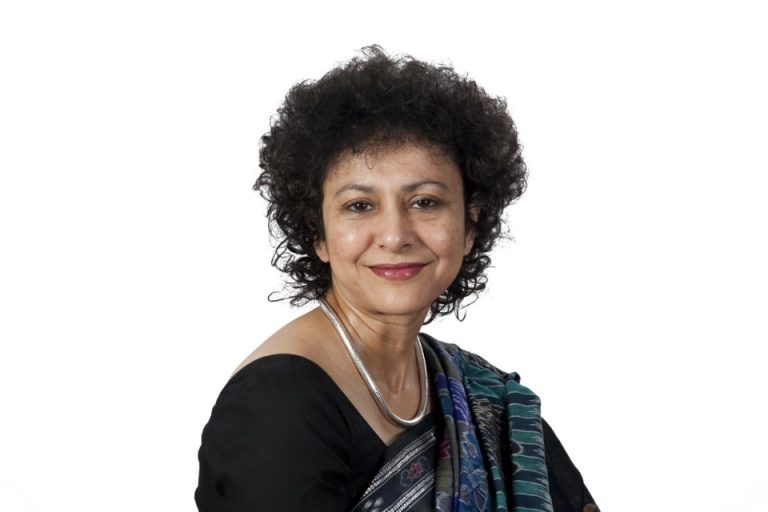
The declaration was adopted on May 4, 2026, by the United Nations (UN) Special Rapporteur on Freedom of Opinion and Expression, the Organization for Security and Co-operation in Europe (OSCE) Representative on Freedom of the Media, the Organization of American States (OAS) Special Rapporteur on Freedom of Expression, and the African Commission on Human and Peoples’ Rights (ACHPR) Special Rapporteur on Freedom of Expression and Access to Information. The experts said that while digital technologies offer children valuable opportunities to learn, communicate, and participate in society, stronger safeguards are needed to ensure their rights are respected and protected online.
The experts noted that children are not just users of digital technologies but rights holders whose voices deserve to be heard. They said digital platforms can help children enjoy many of their rights, including access to education, health information, freedom of association, and participation in public discussions. However, they also warned that children are increasingly exposed to online risks such as cyberbullying, harmful content, privacy violations, sexual exploitation, and the addictive design of some digital services.
The declaration highlights that one in every three internet users worldwide is a child, making it essential for governments and technology companies to create digital spaces that are safe, inclusive, and respectful of children’s rights. It also points out that children want an online environment that is fair, affordable, protects their privacy, and allows them to participate according to their age and level of maturity.
The experts cautioned that efforts to protect children online should not result in blanket restrictions that limit their freedom of expression or deny them access to information. Instead, they urged governments to adopt measures that are necessary, proportionate, and consistent with international human rights standards. They also emphasized that children should be involved in decisions about digital policies that affect their lives.
The declaration further calls on digital technology companies to design their products and services with children’s safety and privacy in mind. It recommends stronger safeguards against harmful content, more transparent algorithms, better protection of children’s personal data, and responsible development of artificial intelligence (AI) systems. The experts stressed that protecting children’s rights online requires cooperation among governments, technology companies, parents, educators, civil society, and children themselves.
The declaration also addresses the growing use of artificial intelligence (AI) and its impact on children. While AI can support learning and creativity, the experts warned that it also brings serious risks. They expressed concern that children may become overly dependent on AI chatbots for advice and companionship, which could affect their ability to think critically and understand real-life relationships. They also warned against the use of AI to create sexualised images of children, describing it as a serious violation of children’s rights that must be prohibited.
To address these challenges, the experts urged governments to adopt laws and policies that put children’s rights at the centre of digital governance. They recommended improving internet access for all children, especially those in poorer communities and developing countries, promoting digital literacy in schools, and ensuring that children and their parents understand both the opportunities and risks of using digital technologies.
The declaration also outlines responsibilities for technology companies. It calls on digital platforms to make children’s accounts private by default, reduce the collection of children’s personal data, improve content moderation, avoid features that encourage excessive screen time, and be transparent about how their recommendation systems work. Companies are also encouraged to carry out regular assessments of how their products affect children’s rights and to take steps to prevent harm before it occurs.
For the media, the declaration encourages journalists and media organisations to provide children with diverse, high-quality, and age-appropriate content online and offline. It also calls for greater participation of children in producing media content and stresses that media organisations should avoid publishing or sharing content that violates children’s rights.
Overall, the declaration reinforces the principle that children have the same rights to freedom of expression and access to information as everyone else. It argues that protecting children online should not come at the expense of their fundamental rights. Instead, governments, technology companies, parents, educators, civil society, and the media must work together to create a digital environment where children can safely learn, communicate, express themselves, and participate fully in society.
The Joint Declaration serves as a global guide for governments, technology companies, media organisations, and other stakeholders on upholding children’s rights in the digital age. The experts hope it will shape future laws, policies, and technology design so that children everywhere can enjoy the benefits of the internet while being protected from harm.