Journalists and representatives of Civil Society Organisations (CSOs) from States in the South-East and South-South geopolitical zones have called on the Judiciary to expedite the hearing and determination of Freedom of Information (FOI)-related cases to strengthen enforcement mechanisms and improve access to justice and accountability.
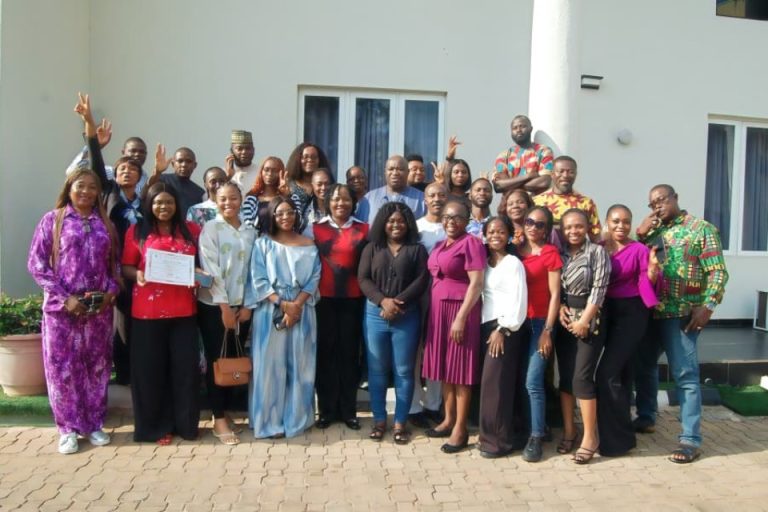
The call was contained in a communiqué issued at the end of a two-day Freedom of Information Training Workshop organised by Media Rights Agenda (MRA) on February 11 and 12, 2026, at Bridge Waters Hotel in Enugu.
The workshop, supported by funding from Luminate, was aimed at strengthening the capacity of journalists and CSO representatives to effectively utilise the FOI Act as a tool for promoting transparency, demanding accountability, and enhancing investigative journalism and evidence-based advocacy.
Participants observed that access to information remains a fundamental human right and a key pillar of democratic governance. They described the FOI Act, 2011 as an important legal framework that should enable Nigerians, journalists and civil society actors to demand and obtain information from public institutions and other entities covered by the Act.
However, they expressed concern that nearly 15 years after its enactment, compliance with the FOI Act remains weak and inconsistent, as many public institutions continue to delay responses, hide information or deny requests without lawful justification.
They also noted that although the Supreme Court had settled the issue of the applicability of the FOI Act to all tiers of government, many state governments, including in the South-East and South-South zones, continue to resist implementation.
Against this background, participants urged the Judiciary to strengthen the enforcement of the FOI Act by speeding up the hearing and determination of FOI-related cases. They stressed that delays in court processes weaken accountability and undermine the public’s right of access to information.
They also called for continuous training and mentorship for journalists and CSOs on effective use of the FOI Act, while urging Media Rights Agenda and other civil society organisations to provide legal, litigation, and technical support to strengthen utilisation of the law.
Meanwhile, participants pledged to make more active use of the FOI Act for investigative reporting and advocacy, while monitoring patterns of compliance and non-compliance by public institutions and making such findings publicly available.
They expressed appreciation to the organisers and partners for providing a platform to refresh and sharpen their skills and reaffirmed their conviction that the FOI Act remains a potent tool for fighting corruption and ensuring that public resources are used for the benefit of the people.
The communiqué was unanimously adopted in Enugu on February 12, 2026.