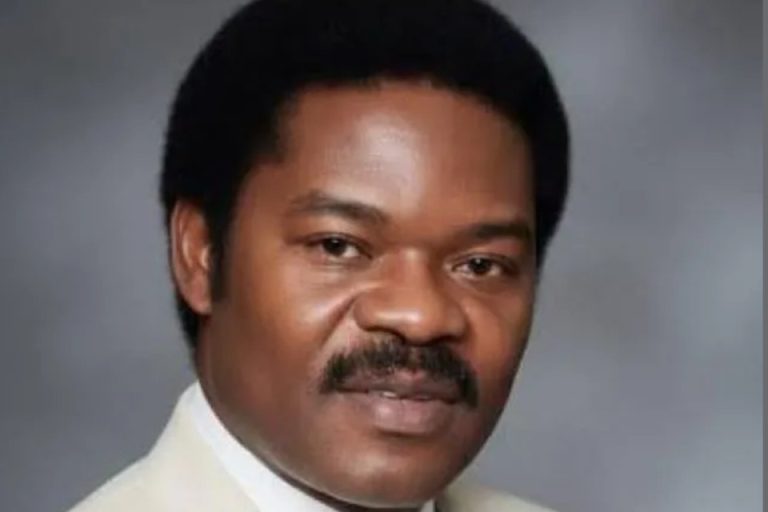
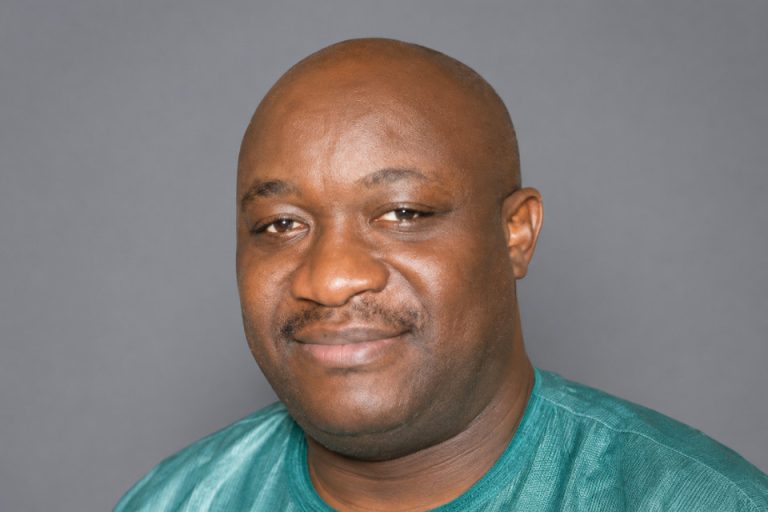
“It is of utmost importance that technological progress in Nigeria does not come at the expense of human rights, including freedom of expression, privacy and other fundamental rights,” the Executive Director of Media Rights Agenda (MRA), Mr. Edetaen Ojo, has said.
Speaking at a Stakeholder Engagement Session on the Nigerian National Artificial Intelligence (AI) Strategy, Mr. Ojo noted that “Nigeria, as Africa’s largest country and one of the most significant digital economies, has an opportunity and a responsibility to play a leading role in shaping an African and global AI future that is inclusive, equitable, and responsive to our realities.”
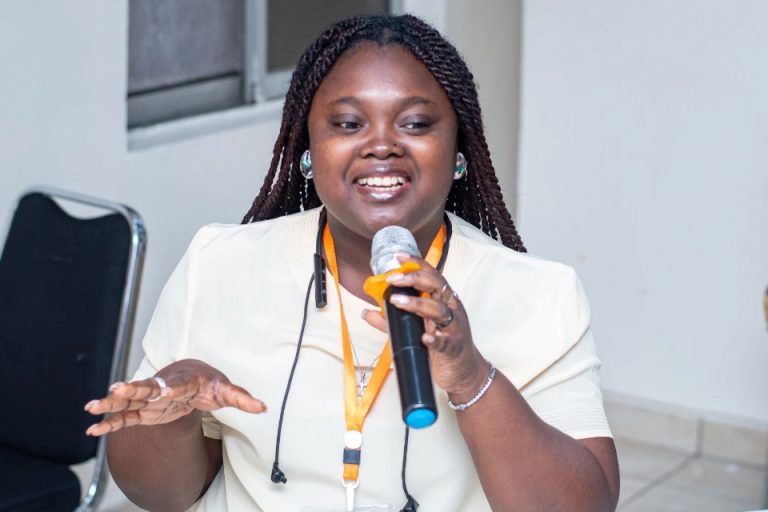
Delivering the welcome address at the online consultations organized by Article 19 West Africa, in collaboration with MRA and the Deutsche Gesellschaft für Internationale Zusammenarbeit (GIZ), the German Federal Government agency for International Cooperation, he insisted that “for this reason, we believe that Nigeria’s AI Strategy must be based on a genuinely inclusive and multistakeholder process, both in its development and implementation.”
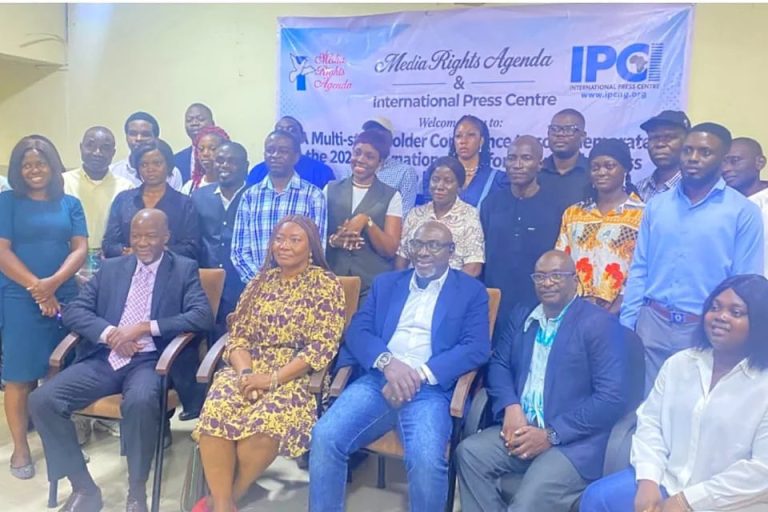
The consultation, which brought together representatives from the Nigerian government, civil society organizations, academia, the media, the technology sector, and other relevant stakeholders to review and discuss the findings of a draft analysis of Nigeria’s AI Strategy, developed by Article 19, provided a platform for participants to share insights, identify gaps and opportunities, and contribute recommendations on the way forward towards an effective and inclusive AI governance framework.
According to Mr. Ojo, “Artificial Intelligence is no longer some futuristic technological possibility or an issue that is reserved for just scientists, engineers, and technology companies. Rather, it is increasingly becoming an integral part of our everyday lives. AI is shaping the way we communicate, learn, work, obtain and process information, access public services, conduct business, and participate in society.”
He noted that the influence of AI is also increasingly being felt in journalism and the media, in governance and public administration, in education, healthcare, in elections and political communication, in security, finance, and many other sectors.
Mr. Ojo stressed that “for us as Nigerians, the question is no longer whether AI will shape our future; it is already shaping our lives. The more important question for us, I believe, is: What kind of AI future do we want, and how do we ensure that Nigeria is adequately prepared for it?”
For this reason, he said, the development of a National AI Strategy as a sort of roadmap for Nigeria was a very important undertaking, but stressed that MRA strongly believes that “the governance of digital technologies must be grounded in respect for human rights and democratic values.”
Encouraging all participants to share their experiences, expertise, concerns, and recommendations freely, Mr. Ojo remarked that although “we may not agree on every issue, but the diversity of the perspectives represented here is one of the greatest strengths of this process.”
He urged the participants to strive to position Nigeria not simply as a consumer of AI, but as an active participant in shaping its development and governance.