The National Broadcasting Commission (NBC), the regulatory body for broadcasting in Nigeria, has announced that over 100 channels have officially signed up to broadcast free-to-air digital content, marking a significant milestone in the country’s long-delayed Digital Switchover (DSO) programme.
The official sign-on follows the Commission’s recent disclosure of a major overhaul of Nigeria’s long-awaited digital broadcasting migration. As part of the reform, the NBC launched FreeTV, a fully free-to-air, direct-to-home (DTH) national platform powered by satellite and Internet Protocol (IP) delivery.
In a statement issued by the NBC, the current line-up, now officially categorised, features a diverse range of programming designed for Nigerian families. The breakdown shows a strong emphasis on local content and variety, including 14 news and current affairs channels, 15 general entertainment stations, six channels dedicated to kids and family, and two lifestyle and talk shows.
Other categories include three music and entertainment channels, a dedicated business and finance station, and five movie channels, reflecting what the Commission described as an inclusive digital content ecosystem.
According to NBC, 57 of the channels are already live and accessible to Nigerians through the FreeTV mobile application and the NigSat satellite platform. Viewers can download the FreeTV app from Google Play Store to begin accessing the new digital television experience.
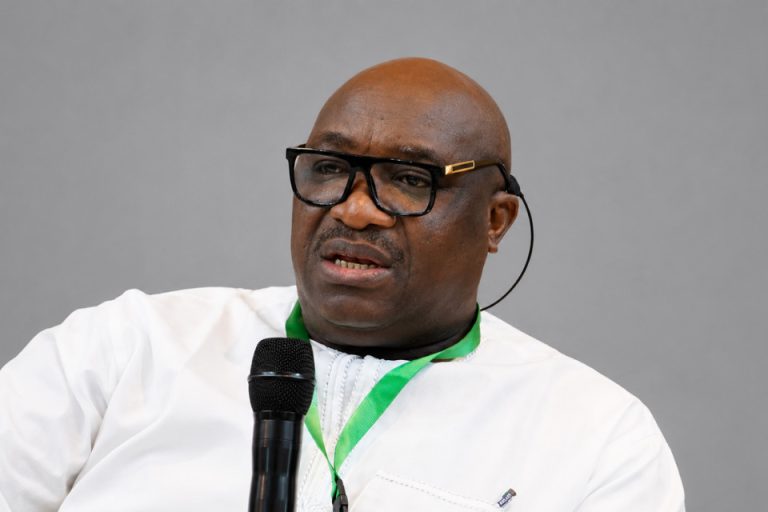
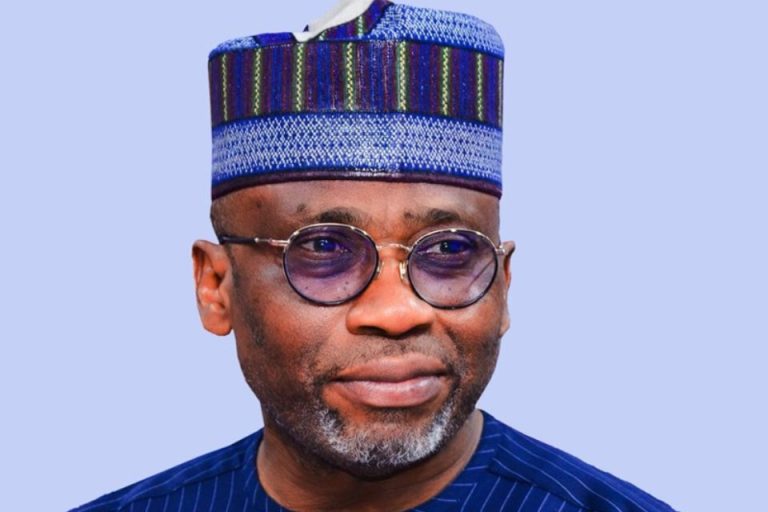
NBC Director-General, Mr. Charles Ebuebu, said the initiative is designed to transform television access in Nigeria.
“We will deliver digital TV with clearer pictures, more free channels, and opportunities for every family. It is one simple change for a better future. With 100 stations onboard and a satellite-driven strategy in place, Nigeria’s digital switchover is no longer a distant promise but a rapidly progressing reality, finally bringing the nation’s broadcast landscape into the 21st century,” he said.
The DSO project, first launched in 2008 following the Geneva 2006 Agreement (GE06), remains a key component of the Federal Government’s plan to modernise broadcasting. Its objectives include delivering high-quality picture and sound, freeing up valuable spectrum space, known as the digital dividend, for broadband expansion in the 700 MHz and 800 MHz bands, and creating a stronger platform for Nigeria’s creative industry.
However, the journey has faced several setbacks. Although the programme officially launched in 2016 with a pilot in Jos, nationwide rollout remained elusive for years. Despite multiple deadlines and significant financial investment, progress at the national level was limited.
The NBC noted that this narrative is now changing rapidly. In a decisive move to break the long-standing deadlock, President Bola Tinubu approved a ₦10 billion intervention fund in August 2024. This funding enabled a new strategic direction unveiled in late May 2025.
The Commission described the initiative, known as “The Big Picture,” as a partnership between NBC and the Nigerian Communications Satellite Limited (NIGCOMSAT). The approach shifts away from the costly expansion of terrestrial transmission towers and instead adopts a satellite-first model using the NigComSat-1R satellite to deliver signals nationwide.
According to the NBC Director-General, who presented the strategy to stakeholders ahead of its formal rollout in May 2026, the model represents a turning point for Nigeria’s broadcast future.
“The Digital Switchover is Nigeria’s sign of progress. It unlocks a future of clearer information, greater opportunity, and stronger connections for every citizen,” Ebuebu said.
He added that the new system is expected to accelerate nationwide rollout by over 65 percent, eliminating many of the logistical and infrastructural challenges that previously slowed implementation.
The NBC further explained that the impact is already being felt, with about 10 million Nigerian households reportedly equipped with satellite-ready televisions or DVB-S2 set-top boxes, enabling immediate access to more than 100 free-to-air channels.
For households yet to upgrade, the plan introduces hybrid set-top boxes that combine satellite reception with internet streaming capabilities, offering features such as applications, voice search, and interactive viewing options designed for future digital needs.
Beyond technology, the Commission said the DSO is also positioned as a driver of economic and cultural growth. It aims to revitalise Nigerian storytelling by allocating 40 percent of channel slots to independent and regional producers, giving diverse voices a national platform.
A major component of “The Big Picture” is local equipment manufacturing. The plan targets domestic production of up to five million set-top boxes annually, a move expected to create over 20,000 jobs and significantly reduce reliance on imported devices.