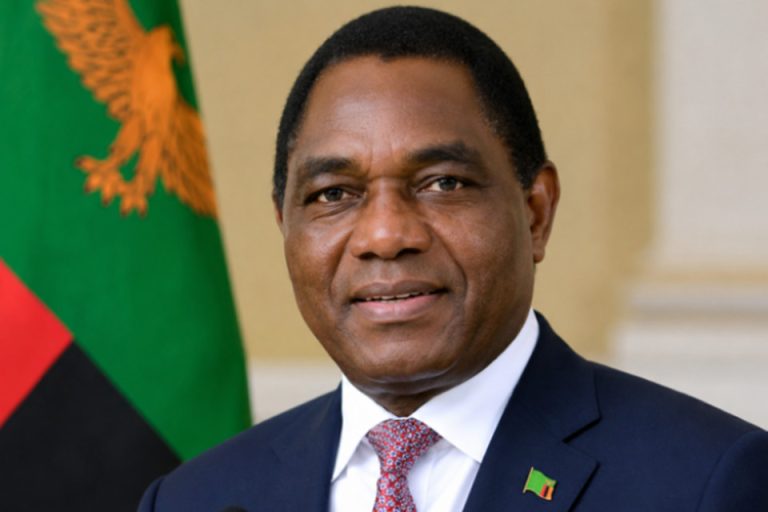
Global Forum for Media Development (GFMD) and International Freedom of Expression Exchange (IFEX), alongside a broad coalition of international media and civil society organisations, have strongly condemned the Zambian government’s decision to cancel RightsCon 2026 at the last minute. The global summit, widely regarded as a leading gathering on human rights in the digital age, was scheduled to take place in Lusaka from May 5 to 8, 2026.
In a joint statement, the groups described the cancellation as a serious setback for civil society, free expression, and the right to peaceful assembly. They argued that halting such a major international forum raises deep concerns about press freedom, independent journalism, and the shrinking space for civic engagement. According to the statement, the decision reflects a broader trend of increasing pressure on organizations working to promote transparency and accountability worldwide.
The organizations further pointed to reports that external influence, particularly related to the participation of Taiwanese delegates, played a role in the decision. They warned that such interference highlights the growing risks facing open civic spaces globally, where political considerations can override fundamental rights. For many in the media and digital rights community, this development signals how vulnerable international platforms have become to both local and foreign pressures.
Beyond the immediate impact, the cancellation also disrupted activities linked to UNESCO’s World Press Freedom Day events, which were scheduled to take place around the same time in Lusaka. Organizers were forced to scale down and shift much of the programme online, affecting thousands of participants who had planned to attend in person. This disruption, stakeholders say, weakens opportunities for collaboration and dialogue at a time when they are most needed.
Despite the setback, the signatories called on governments, international bodies, and global coalitions to protect the principles of open dialogue and multistakeholder participation. They emphasized that spaces like RightsCon are essential for bringing together journalists, activists, and policymakers to address complex challenges in the digital era. Ensuring that such gatherings can take place freely, they noted, is critical to strengthening democratic values and safeguarding human rights.
The statement also highlighted the symbolic weight of Zambia’s decision, given the country’s proximity to Namibia, where the historic Windhoek Declaration helped shape global commitments to press freedom. For many observers, the situation underscores the need to renew those commitments and defend the independence of media and civil society against growing constraints.
In closing, the organizations expressed solidarity with journalists, digital rights defenders, and civil society actors in Zambia, across Africa, and around the world who were affected by the cancellation. They also reaffirmed their support for Access Now, the organizers of RightsCon, and called for continued collective action to protect civic space and ensure that voices advocating for truth and accountability are not silenced.