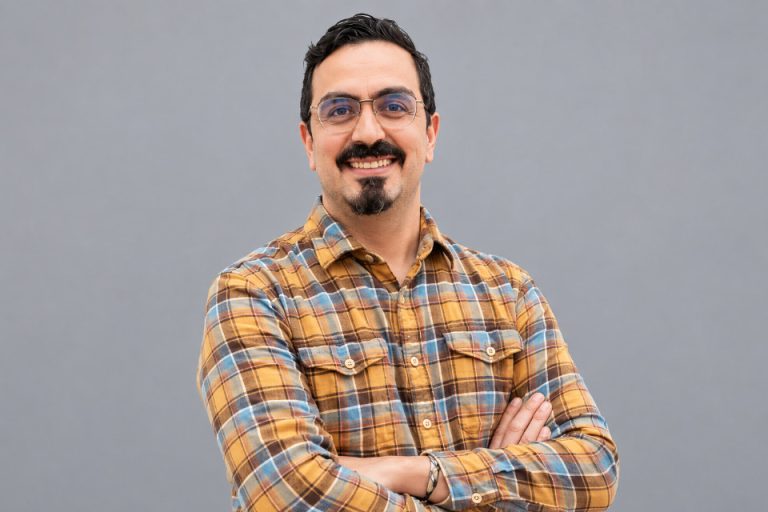
The United Nations (UN) Special Rapporteur on the promotion and protection of the right to freedom of opinion and expression, Mr. Leopoldo Maldonado Gutiérrez, has invited governments, civil society organisations (CSOs), journalists, academics, technology experts, and other stakeholders worldwide to submit inputs to help shape the mandate’s strategic priorities for the next three years.
The call, issued through the Office of the UN High Commissioner for Human Rights (OHCHR), seeks contributions on the most pressing and emerging challenges to the exercise of freedom of opinion and expression and on areas where the Special Rapporteur’s mandate can have the greatest impact.
The deadline for submissions is October 31, 2026.
Mr. Maldonado, who recently began his mandate as Special Rapporteur, said the consultation was intended to ensure the mandate’s priorities were informed by the experiences and perspectives of people and organisations working on freedom of expression issues in different regions and contexts.
According to the information contained in the call, contributions will inform the Special Rapporteur’s 2027 vision-setting report to the UN Human Rights Council and help shape the mandate’s strategic priorities for the 2026 – 2029 period.
The Special Rapporteur is inviting submissions from civil society organisations, journalists and media workers, human rights defenders, academics, States, international organisations, digital and technology experts, and other interested stakeholders. As a result, the consultation provides an opportunity for stakeholders to identify emerging threats to freedom of opinion and expression and recommend areas where international human rights mechanisms could provide greater protection and practical impact.
The mandate’s strategic priorities are expected to provide a framework for the Special Rapporteur’s thematic work, country engagement and interaction with governments, international organisations, civil society, and other stakeholders during the coming years.
The Special Rapporteur has encouraged stakeholders to focus not only on existing violations but also on emerging challenges and opportunities that should shape the mandate’s work during the next three years.
Stakeholders are therefore encouraged to identify issues where the mandate can add value, strengthen international standards, engage with governments and other actors, and contribute to practical improvements in the protection of freedom of opinion and expression.
Established in 1993, the mandate of the Special Rapporteur is:
- To gather all relevant information, wherever it may occur, relating to violations of the right to freedom of opinion and expression, discrimination against, threats or use of violence, harassment, persecution or intimidation directed at persons seeking to exercise or to promote the exercise of the right to freedom of opinion and expression, including, as a matter of high priority, against journalists or other professionals in the field of information;
- To seek, receive, and respond to credible and reliable information from Governments, non-governmental organizations and any other parties who have knowledge of these cases;
- To make recommendations and provide suggestions on ways and means to better promote and protect the right to freedom of opinion and expression in all its manifestations; and
- To contribute to the provision of technical assistance or advisory services by the Office of the United Nations High Commissioner for Human Rights to better promote and protect the right to freedom of opinion and expression.
Stakeholders interested in contributing can access the OHCHR’s “Call for Inputs on Strategic Priorities and Vision-Setting” at https://bit.ly/4yvDJO8