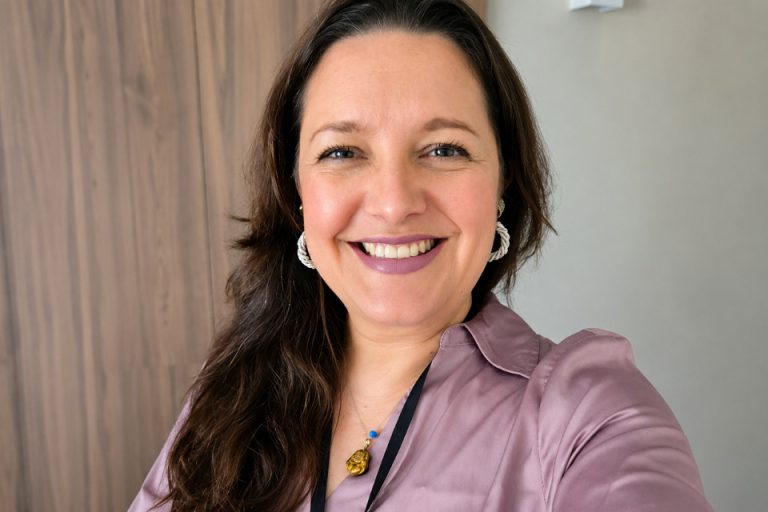
United Nations (UN) Special Rapporteur on the rights to freedom of peaceful assembly and association, Ms Gina Romero, has criticised the Zambian government over its last-minute decision to postpone RightsCon in Zambia, leading to the outright cancellation of the global summit, widely described as the leading gathering on human rights in the digital age.
According to the Special Rapporteur, the postponement is effectively a cancellation of the event. Recall that RightsCon was expected to bring together more than 5,000 participants and host over 500 sessions. Due to its size and complexity, the sudden decision to postpone the summit disrupts one of the most important global gatherings on digital rights and human rights in the digital era.
She explained that any restriction on peaceful assembly must meet three conditions, which are legal, necessary, and proportionate. In this case, she said the Zambian government failed on all three. She added that the government’s demand for “comprehensive disclosure of critical information” to ensure alignment with “national values and policy priorities” gives authorities too much control and violates the rights to freedom of assembly, association, and expression.
The Special Rapporteur also noted that the Ministry of Science and Technology had earlier publicly supported the event more than two months ago. However, less than a week before the opening, authorities changed position and said they needed to ensure the event aligns with “national procedures, diplomatic protocols, and the broader objective of fostering a balanced and consensus-driven platform for dialogue.” She said this appears to be a justification for disruption rather than a genuine concern.
She warned that this action weakens the global digital rights community. While the right to peaceful assembly protects the act of gathering, the right to association protects long-term networks and relationships that allow civil society to function. By stopping the event, she said the government has disrupted global networks and silenced thousands of activists, researchers, and civil society groups who depend on such platforms to organise and share ideas.
She also highlighted that the decision comes at a time of global funding challenges, placing heavy financial and logistical burdens on many organisations that had already invested limited resources in preparing for the event.
The timing is also concerning, she said, as it comes ahead of Zambia’s general elections scheduled for August 2026. She stressed that free and fair elections require a safe environment for civic engagement throughout the entire electoral process. When civic space is restricted, people’s ability to participate freely is weakened. She referenced findings in her report “Impact of the 2023–2025 “super election” cycle on the rights to freedom of peaceful assembly and of association” (A/HRC/59/44), which state that without respect for freedoms of assembly and association, elections cannot be considered free or fair, especially in countries facing multiple human rights concerns.
Finally, she warned that Zambia’s action sets a dangerous global precedent, suggesting that international gatherings can be blocked based on political approval or administrative decisions.
She urged the international community to resist this trend, stressing that protecting international assemblies is not just about protocol, but a basic requirement for a free and democratic global society.