
The Media and Information Literacy (MIL) Alliance of the United Nations Educational, Scientific, and Cultural Organization (UNESCO) has opened its first call for the creation of chapters and strategic sub-groups of members based on shared interests and common characteristics, marking an important milestone in strengthening collaboration and engagement across its global network.
Designed as a “network of networks”, the MIL Alliance, led by UNESCO, is a global community of organizations and experts promoting media and information literacy. It connects stakeholders from around the world and mobilizes knowledge, expertise, and resources to advance media and information literacy.
The establishment of Chapters operationalizes the vision by enabling more localized, flexible, and inclusive forms of engagement.
Chapters can be organized around regions, themes, or shared areas of interest, better reflecting the diversity of the Alliance’s membership, an approach that allows members to expand their outreach and impact, support context-specific initiatives, strengthen connections, and foster a greater sense of collective ownership.
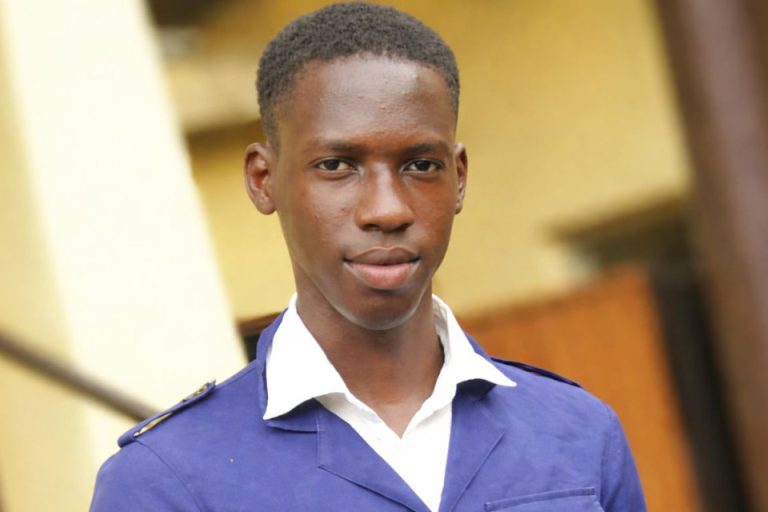
According to Mr. Blaise Pascal Anzongo, the Geographical Representative for Africa on the International Steering Committee for the UNESCO MIL Alliance, “MIL chapters are operational responses of the Alliance that can address the problems and challenges of media and information literacy in Africa. They will help overcome linguistic and sociocultural barriers and support advocacy for the institutionalization of MIL with public authorities.”
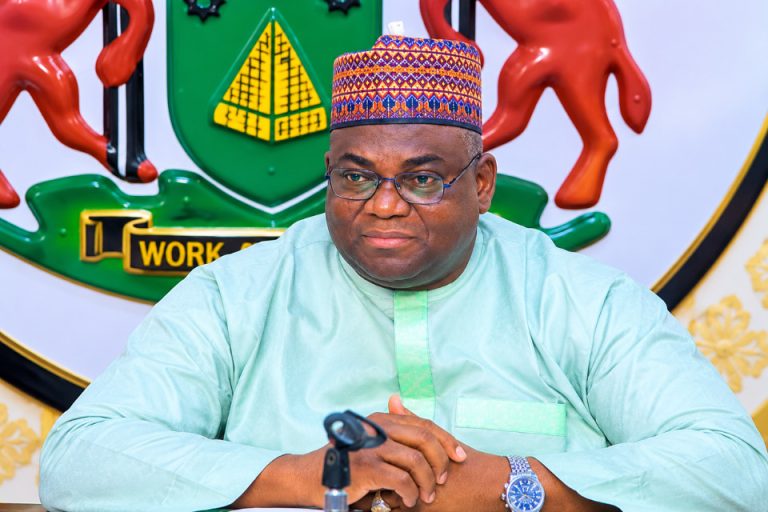
Ms Monica Palomino, Vice Chair of the MIL Alliance Global Board, explained further that “The creation of MIL Alliance chapters marks a transformative step toward ensuring that media and information literacy reaches every corner of the world, including the most underrepresented communities. For Latin America and the Caribbean, this initiative opens a vital door to amplify local voices, especially through media schools, and to build a truly global, inclusive network where young people are not just consumers of information but active, critical and responsible communicators.”
The first call for the creation of chapters will be open to all members until July 31, 2026, after which, calls will be opened on a biennial basis, for a period of two months.
The MIL Alliance Global Board will be responsible for reviewing and validating chapter proposals, as well as overseeing their development and reporting.
The Global Board, recently established through a global election process, serves as the Alliance’s main coordination and decision-making body and, working closely with UNESCO, provides strategic guidance and oversees key initiatives, including the review and validation of new Chapters.
The MIL Alliance currently brings together 649 members from 117 countries and continues to grow as an open and inclusive global network.
A Chapter is a dedicated horizontal structure within the MIL Alliance, established as a strategic partnership among members who share common interests, priorities, geographic contexts, or characteristics. Chapters are designed to strengthen cooperation and advance the objectives of the MIL Alliance through coordinated action and engagement.
The mechanism aims to strengthen engagement and cooperation among members; mobilize existing MIL networks and communities; expand the reach, visibility, and impact of the MIL Alliance; encourage localized, context-specific MIL initiatives; and foster collective advocacy and knowledge exchange.
The benefits of forming a chapter include the fact that the chapter structure is believed to create added value at operational, strategic, and engagement levels by promoting collaboration, localization, connectivity, and shared ownership across the Alliance.
Through the formation of a chapter, members are expected to benefit from greater global recognition and visibility, enhanced collaboration and joint project development, stronger networking opportunities across regions and sectors, knowledge sharing and capacity-building opportunities, increased engagement in global MIL initiatives and activities, and stronger alignment with UNESCO priorities and programmes.
All members are eligible to establish a chapter, regardless of their membership type. A chapter may include both organizational members and individual members. The minimum membership requirements for a chapter established solely by individual members are at least 12 individual members, while a chapter established solely by organizational members must consist of at least eight organizational members.
A chapter established jointly by organizational and individual members must include at least 8 organizational members, in addition to individual members, and each chapter must establish a Steering Committee comprising between five and 10 members.
All chapters are required to comply with the MIL Alliance Guidelines for Chapters and all other applicable guidelines within the MIL Alliance. In addition, chapters must be able to demonstrate alignment with the objectives of the MIL Alliance.