Journalists and other media professionals, representtives of civil society organizations, digital rights advocates, and other stakeholders from across West Africa have called on governments in the region to strengthen protections for press freedom, restore judicial oversight over surveillance powers, and end the unlawful interception of journalists’ communications.
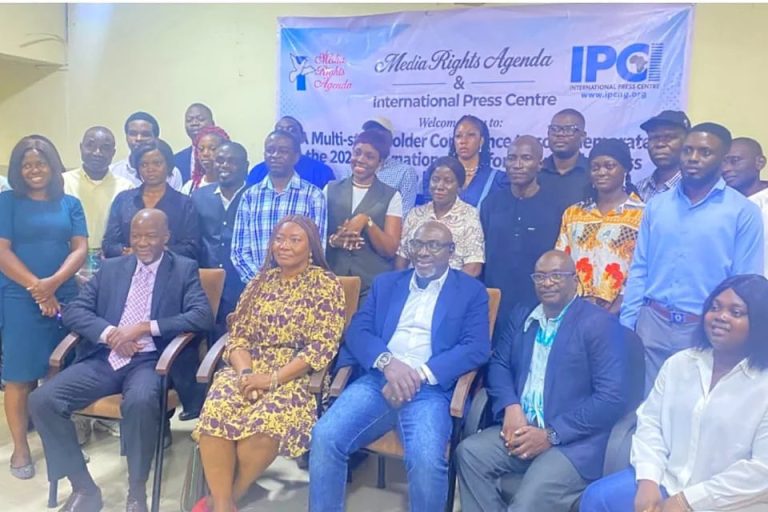
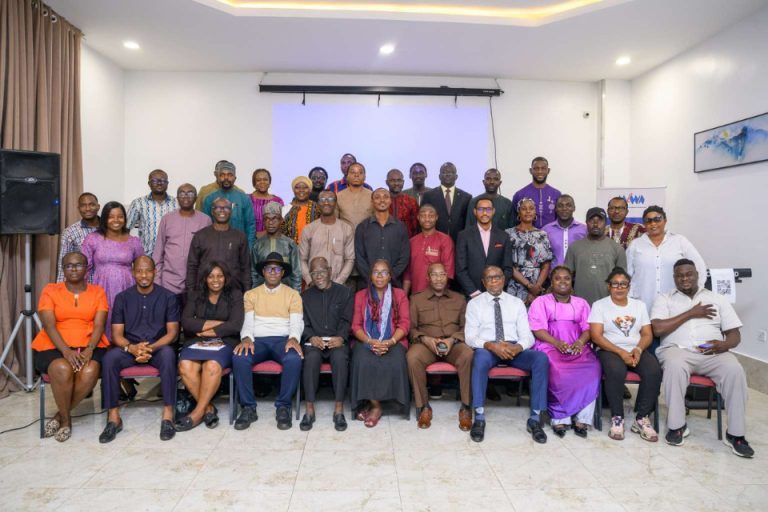
The call was made in a communiqué adopted at the end of a Regional Conference on Press Freedom and Democratic Governance in West Africa, organised by the Media Foundation for West Africa (MFWA) in Abuja on August 11, 2026.
The conference brought together journalists, editors, media owners, publishers, media support organisations, civil society organisations, digital rights advocates, legal practitioners, academics, policymakers, and development partners to examine the state of press freedom, freedom of expression, and democratic governance in the region.
Participants deliberated on the findings of an MFWA-commissioned report on the state of media and free expression rights in Burkina Faso, Mali, Niger, and Guinea, as well as the broader trajectory of press freedom and democratic governance in the region.
Participants expressed deep concern over what they described as a deterioration of media freedom across parts of West Africa, accompanied by a shrinking civic space, weakened institutional accountability mechanisms, and growing restrictions on independent journalism.
They identified the increasing use of cybercrime legislation, emergency and national security laws, administrative sanctions, surveillance technologies, arrests and detentions, media suspensions, Internet restrictions, and content controls as major concerns, warning that their cumulative effect was restricting legitimate journalistic work and civic expression.
The participants stressed that national security and press freedom should not be treated as competing objectives, arguing that independent journalism remains essential to accountable governance, informed citizen participation, peacebuilding, conflict prevention, and democratic resilience.
“Independent journalism and national security are not competing objectives,” the participants declared, noting that a free, professional, and responsible media strengthens public trust, improves governance, and contributes to national cohesion and stability, including in situations of armed conflict.
They expressed particular concern about the use of cybercrime legislation and vaguely defined security offences to sanction journalistic work, saying there is a need for a clearer distinction between criminal offences and the legitimate exercise of journalism.
The participants also identified economic pressure, political interference, and regulatory weaknesses as significant threats to media freedom. They noted that the withdrawal of broadcasting licences without due process, discretionary denial of state advertising, and suspension of media organisations could pose a serious threat to press freedom as physical attacks against journalists.
They further raised concerns about the widespread practice of self-censorship across the region, saying it reflected an environment in which journalists increasingly felt constrained in the exercise of their profession, ultimately undermining citizens’ access to information.
On digital rights, the conference participants condemned Internet shutdowns, social media restrictions, digital surveillance, and the interception of communications without judicial authorisation, describing such practices as inconsistent with internationally recognised rights and disproportionately harmful to journalists, civil society organisations, and ordinary citizens.
They consequently called on governments across West Africa to respect, protect, and fulfil constitutional guarantees of freedom of expression, press freedom, and access to information, while urging them to repeal or amend laws that criminalise legitimate journalistic work, particularly cybercrime and national security provisions that permit arbitrary interpretation.
The participants also urged governments to prevent arbitrary arrests, intimidation, and harassment of journalists, and ensure that unresolved cases involving missing media professionals and civic actors are properly investigated and the outcomes made available to the public.
On surveillance, they specifically called on governments to “restore judicial oversight over surveillance powers, and end the unlawful interception of journalists’ communications,” while urging authorities to refrain from Internet shutdowns and platform blocking. They stressed that any restriction on digital communications must be provided by law, necessary, proportionate, and limited in time.
The conference also called for greater independence of media regulatory institutions, with participants urging governments to ensure that regulatory decisions are transparent and subject to appeal. They further called for any suspension or closure of a media organisation to follow due process and be subject to judicial review, including the reconsideration of broadcasting licences withdrawn without due process.
At the regional level, the participants urged regional and continental institutions to place press freedom at the centre of democratic governance assessments, electoral observation missions, and political transition processes. They also called for stronger regional accountability mechanisms for persistent violations against journalists, sustained dialogue during political transitions, and stronger implementation of regional and continental standards protecting freedom of expression.
The participants called on media organisations to strengthen editorial independence, resist political and commercial interference, and expand collaboration on investigative journalism, journalists’ safety, and solidarity responses to attacks. They also urged media organisations to invest in digital security, newsroom safety protocols, and journalists’ wellbeing, while promoting greater inclusion of women in newsroom leadership and decision-making.
The conference further called for stronger regional coalitions among civil society and media support organisations to document, monitor, and respond to violations against journalists, as well as expanded legal assistance, emergency response, and protection mechanisms for journalists at risk.
It also urged greater investment in media literacy and public education to strengthen democratic resilience against disinformation while safeguarding legitimate expression, alongside systematic collection of gender-disaggregated data to inform protection strategies.
The participants called on development partners and the international community to sustain support for independent journalism and public-interest media; legal defence and emergency protection mechanisms; digital security and newsroom resilience; investigative journalism and cross-border reporting; and journalists working in exile and independent media operating under constrained conditions.
The communiqué was adopted on August 11, 2026, in Abuja by participants at the Regional Conference on Press Freedom and Democratic Governance in West Africa.
Read the full communiqué here.