The Wole Soyinka Centre for Investigative Journalism (WSCIJ) has called for the establishment of a National Framework for Media Sustainability, Independence, and Protection to safeguard the future of journalism and democracy in Nigeria.
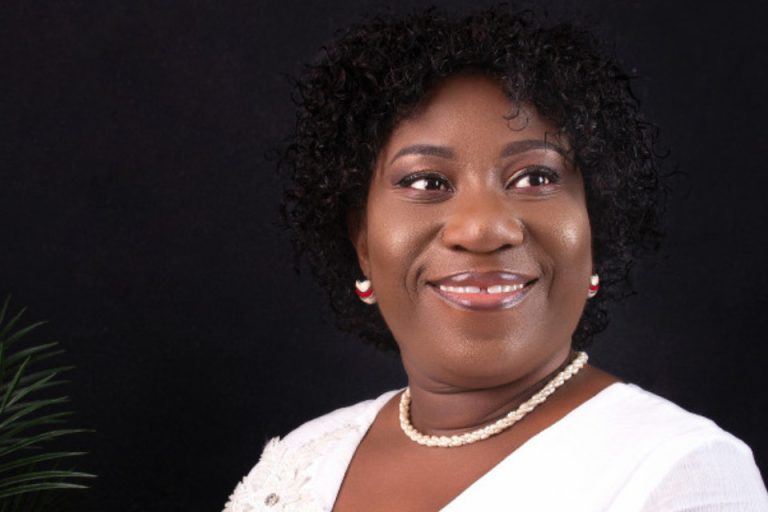
The call was made in a statement signed by the Executive Director and Chief Executive Officer of WSCIJ, Motunrayo Alaka, to mark World Press Freedom Day 2026, themed “Shaping a Future at Peace: Journalism in the Face of the Environmental Crisis and Digital Transformation.”
According to the organisation, the media landscape is increasingly shaped by economic pressures, environmental challenges, security threats, digital disruptions, and shrinking civic space, all of which continue to affect journalism practice in Nigeria and beyond.
WSCIJ stressed that press freedom should go beyond protection from physical attacks and include the ability of journalists and media organisations to operate sustainably, maintain editorial independence and carry out public interest reporting without political, legal, economic, or technological interference.
The organisation noted that many Nigerian media organisations continue to struggle financially, with some shutting down operations or reducing capacity due to revenue challenges and limited innovation opportunities. It added that since the COVID-19 pandemic, several newspapers have reduced their page counts as economic pressures deepen within the industry.
The statement also highlighted concerns about journalists’ welfare, including poor remuneration, job insecurity, and limited institutional support, while pointing to the absence of dedicated funding mechanisms for investigative journalism. Alongside these structural concerns, WSCIJ raised alarm over continuing attacks and threats against journalists in Nigeria.
The organisation referenced incidents involving Mohammed Adamu of Albarka Radio, Allwell Ene of Naija FM, and public threats directed at Seun Okinbaloye of Channels Television as examples of growing violations against journalists.
According to WSCIJ’s 2024 Journalism and Civic Space Guard Report titled Shrinking Freedoms, 103 civic space violations were recorded, with journalists identified as the most affected group. The organisation stated that findings from its reports show that threats against journalists often intensify during elections and periods of civic participation, warning that the approach of another electoral cycle in Nigeria makes proactive protection measures increasingly urgent.
WSCIJ also noted that similar challenges are occurring across West Africa, where civic spaces and democratic institutions continue to face pressure. Globally, the Committee to Protect Journalists reported that 129 journalists were killed in 2025, while UNESCO has raised concerns about declining freedom of expression and the growing concentration of media revenues within digital platforms.
In response to these developments, WSCIJ called for a coordinated framework involving government, civil society, media organisations, and technology stakeholders to address the full range of threats to press freedom. The organisation said such a framework should include legal and regulatory reforms to protect freedom of expression, accountability and protection mechanisms for journalists, policy and financial support for media sustainability, and dedicated funding for investigative journalism.
It also emphasised the need to strengthen professional standards, improve journalists’ welfare, ensure fair value for journalistic content, protect information integrity, and establish safeguards within an artificial intelligence-driven media environment.
WSCIJ added that professional bodies such as the Nigerian Guild of Editors and the Nigeria Union of Journalists, alongside media owners and newsroom leaders, have important roles to play in strengthening ethics, welfare, and editorial independence within the profession.
Ms Motunrayo Alaka reiterated that protecting press freedom in Nigeria requires deliberate and sustained action. According to the statement, “Without accountability, violations will persist. Without independence, journalism in the public interest will remain constrained. Without sustainability, press freedom will falter. The time to act is now.”