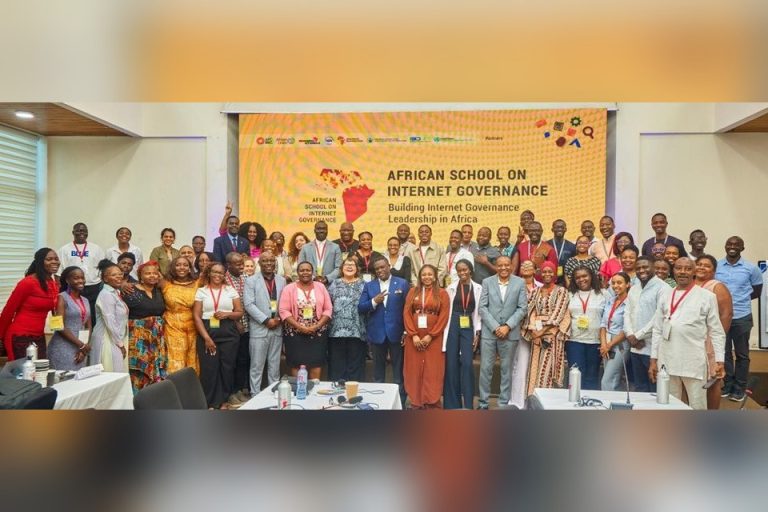

The Internet Society, an organisation that supports and promotes the development of the Internet as a global technical infrastructure, has opened enrollment for its 2027 Fellowship Program, a 10-month initiative designed to empower experienced Internet changemakers and emerging leaders to advance their careers and make meaningful contributions to their communities and the global Internet ecosystem.
The program provides fellows with the opportunity, resources, and support to transform locally grounded ideas into practical projects that strengthen the Internet and promote lasting change within their communities.
According to the Internet Society, the Fellowship Program is a structured learning and leadership experience that combines pre-fellowship training, foundational learning, mentorship, practical project development, engagement with experts, and participation in relevant Internet community events. Through the programme, fellows are expected to build their knowledge, skills, capabilities, and professional networks while implementing projects that strengthen and expand the Internet in their communities.
The programme offers selected fellows several benefits, including a dedicated mentor aligned with their project area and fellowship track or sub-track, a project stipend of up to US$5,000, subject to the submission and approval of a project budget, and travel support to attend a global or regional Internet event. Such events may include the Internet Governance Forum (IGF), Africa Peering and Interconnection Forum (AfPIF), NDSS Symposium, or another event relevant to the programme.
Selected fellows will also have the opportunity to join a global network of Internet leaders and gain access to the Internet Society Alumni Network. However, these benefits are available only to participants who complete the application and selection process and are offered a place in the fellowship. Enrolment in the Pre-Fellowship Training does not automatically guarantee selection or access to the benefits.
The programme is organised into three main tracks: Internet Policy and Mobilization, Internet Connectivity, and Internet Safety and Security, each comprising specialised sub-tracks.
Internet Policy and Mobilization focuses on developing advocates who can influence Internet policies and mobilise communities to achieve local impact. Its sub-tracks are Internet Policy and Community Mobilization.
Internet Connectivity aims to build technical champions in peering, community networks, and Internet infrastructure. The track offers two sub-tracks: Peering and Community-Centered Connectivity.
Internet Safety and Security focuses on developing cybersecurity researchers and online safety champions. Its sub-tracks are Systems Security and Online Trust and Safety.
To become eligible to apply for the fellowship, interested participants must first enroll in and complete all required Pre-Fellowship Training modules before November 22, 2026. Once their completion has been confirmed, eligible participants will receive the fellowship application link by email within 24 hours.
The pre-fellowship training enrollment period runs from September 23 to November 22, 2026, and is self-paced. Fellowship applications will open on a rolling basis as trainees complete their required modules and will close on December 18, 2026.
The fellowship application review and selection process will take place from December 21, 2026, to January 29, 2027, while fellowship notifications and acceptance are scheduled for February 19, 2027. The programme will officially commence with a kick-off and onboarding session on February 22, 2027.
The mentored project implementation phase will run from June 1 to November 30, 2027, with fellows expected to submit their final projects by December 3, 2027. A graduation ceremony is scheduled for early December 2027.
Throughout the programme, fellows will also participate in conferences and other events relevant to their selected tracks and sub-tracks. The timing of these engagements will vary depending on the fellowship track.
The fellowship is open to individuals who understand local challenges and can connect them to broader issues relating to Internet governance, connectivity, security, trust, and online safety. Applicants are expected to be action-oriented and impact-driven, with a demonstrated interest in creating practical change through projects, advocacy, training, or community initiatives.
Applicants are expected to demonstrate the ability to collaborate effectively with diverse stakeholders across communities, civil society, government, industry, and technical groups to achieve sustainable outcomes. They should also possess strong communication skills, with the ability to explain complex technical, policy, or security concepts in accessible language and adapt their messages to different audiences. In addition, applicants should be able to use data, analysis, and sound reasoning to identify opportunities, influence decision-makers, and guide strategic action. They must also demonstrate a commitment to long-term public benefit by advancing an open, trustworthy, and inclusive Internet in line with the Internet Society’s mission and values.
Applicants are required to select a fellowship track and sub-track and enrol in the corresponding pre-fellowship training and project development experience. Completion of the required training is a prerequisite for submitting a fellowship application.
During the approximately two-and-a-half-month training period, prospective applicants will build relevant knowledge and develop a realistic, locally grounded project plan aligned with the Internet Society’s mission. The proposed project must also be achievable within the duration of the fellowship residency.
Other requirements include a high level of proficiency in English, covering reading, speaking, and writing, as well as reliable Internet access throughout all phases of the programme. Applicants must have the necessary equipment to participate in virtual training sessions and calls.
Participants must also be available for weekly programme sessions and commit a minimum of four hours per week throughout the 10-month fellowship. In addition, applicants must hold a valid passport that remains valid for at least six months beyond their anticipated fellowship-related travel dates. Individuals currently participating in the 2026 Internet Society Fellowship are not eligible to apply.
The application process involves seven stages, beginning with enrolment in the Pre-Fellowship Training, followed by completion of all required modules. Eligible participants will then receive the fellowship application link, submit their applications and undergo the review and selection process. Successful applicants will receive fellowship offers before proceeding to the official commencement of the programme.
Interested applicants are encouraged to begin by enrolling in the required Pre-Fellowship Training courses, as completion of the courses is mandatory before they can access the fellowship application form.
Click here to download the programme brochure.
Click here for more information on the programme tracks and sub-tracks.
To enroll in the Pre-Fellowship Training and begin the application process, interested applicants should click here.
For further information about the programme, its tracks, benefits, and eligibility requirements, interested individuals can visit the Internet Society Fellowship Program website.