An estimated 6.3 billion people, representing 76 per cent of the world’s population, are using the Internet in 2026, up from 6.1 billion (74 per cent) in 2025, according to the International Telecommunication Union (ITU), the United Nations agency for digital technologies, which works with 194 Member States and over 1,000 companies, universities, civil society groups, and international and regional organisations. Despite this growth, about 2 billion people worldwide remain unconnected.
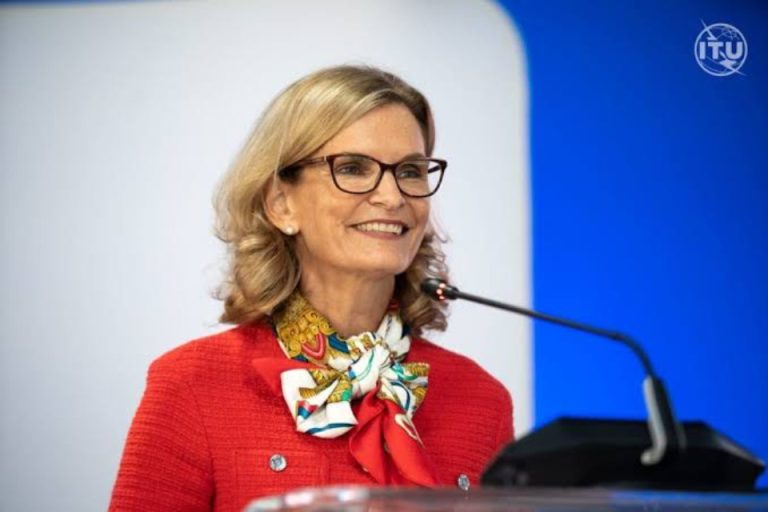
ITU Secretary-General Doreen Bogdan-Martin said being offline in the age of artificial intelligence (AI) means missing important opportunities in areas such as education and employment. She stressed the need to expand Internet access and ensure that everyone can benefit from digital technologies.
Although Internet use continues to grow, major differences remain between countries and groups of people. In high-income countries, 93 per cent of the population uses the Internet, compared with only 32 per cent in low-income countries.
The report also highlights differences in Internet access between men and women, young people and older people, and urban and rural communities. Globally, 79 percent of men use the Internet, compared with 74 percent of women. Among young people aged 15 to 24, 86 percent are online, compared with 74 percent of the rest of the population. Internet use is also higher in urban areas, where 82 percent of residents are online, compared with 63 percent in rural areas.
Mobile phone ownership and network coverage have also increased. About 84 percent of people aged 10 and above own a mobile phone. In addition, 97 percent of the world’s population lives within reach of at least a 3G mobile network. However, access to faster 5G networks remains unequal, reaching 86 percent of people in high-income countries but only 4 percent in low-income countries.
The report further shows that the cost of Internet services remains a challenge in many countries. While some developing countries have recorded improvements in the affordability of mobile Internet, people in least developed countries still pay relatively high prices to stay connected. In these countries, the cost of mobile broadband remains at 6.1 percent of average income per person.
Meanwhile, Cosmas Luckyson Zavazava, Director of ITU’s Telecommunication Development Bureau, noted that expanding Internet access creates opportunities for economic and social development. However, he stressed that access alone is not enough, as people also need the digital skills to use technology effectively and benefit from new developments such as artificial intelligence.
The report emphasises that as AI continues to change how people live and work, affordable Internet access, reliable connectivity, and digital skills will become increasingly important. It calls for greater efforts to close existing digital gaps and ensure that everyone, regardless of their location or income, can participate in and benefit from the digital world.
The full report is available at https://www.itu.int/ff2026.